



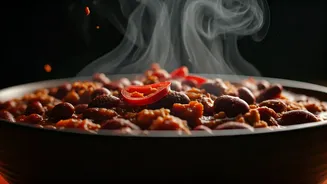


Introduction to Soups
Soups, in their simplicity, represent a global culinary cornerstone, cherished across diverse cultures for their comforting warmth and adaptable nature.
Their historical evolution reflects human ingenuity, utilizing readily available ingredients to create nourishing and flavorful dishes. From humble beginnings, soups have transformed into complex masterpieces, each recipe carrying the essence of its origin. This article takes a deep dive into the world of soups, showcasing ten of the most famous examples, highlighting not only their flavors but also the cultural significance that makes each soup unique. The variety of soups reflects a wide range of tastes, from the rich and creamy to the light and refreshing, demonstrating how ingredients and cooking techniques are adapted to local environments and culinary traditions.
French Onion Soup
French Onion Soup, a classic of French cuisine, is celebrated for its rich, caramelized onion broth, often enhanced by a splash of dry sherry or white wine. The soup is traditionally topped with a crusty crouton and melted cheese, creating a delightful contrast of textures and flavors. Its origins trace back to the French countryside, where onions were readily available, and the soup evolved as a way to use them in a flavorful and economical dish. The simplicity of the ingredients—onions, broth, and bread—belies the complexity of flavors achieved through slow caramelization, transforming humble onions into the star of the dish. French Onion Soup is a testament to the idea that great flavors can be achieved through careful preparation.
Tom Yum Soup (Thailand)
Tom Yum, a vibrant Thai soup, is a harmonious blend of sour, spicy, salty, and sweet flavors. The base of the soup typically features lemongrass, galangal, kaffir lime leaves, chilies, fish sauce, and lime juice. Its name, 'Tom Yum,' translates to 'boiling soup,' reflecting its preparation method. Shrimp or other seafood and mushrooms often add depth and complexity. Tom Yum's popularity stems from its balance of flavors and its ability to refresh and invigorate the palate. The soup showcases the use of fresh herbs and aromatic ingredients that are characteristic of Thai cuisine. Tom Yum's diverse flavor profile and aromatic ingredients have made it a favorite worldwide, representing the vibrant culinary heritage of Thailand.
Ramen (Japan)
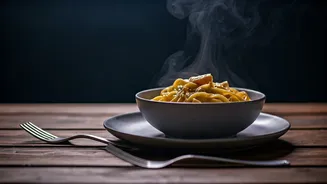
Ramen, a beloved dish in Japan, is much more than just a soup; it’s a carefully crafted culinary experience. At its core is a flavorful broth, which may be derived from pork bones (tonkotsu), chicken, or seafood. Noodles, toppings, and seasonings are added to the soup. The variety of ramen lies in the different regional styles, broth types, and toppings used. Each region of Japan has its own interpretation, making ramen a constantly evolving and diverse dish. Ramen's global popularity is a testament to its comforting nature and the skill of chefs in creating a balanced and satisfying meal. The broth provides a base for noodles, meat, vegetables, and a soft-boiled egg.
Gazpacho (Spain)
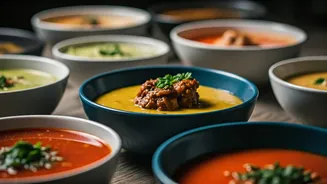
Gazpacho, a refreshing Spanish soup, is a chilled, raw vegetable soup perfect for hot weather. The traditional recipe typically includes tomatoes, cucumbers, peppers, onions, garlic, and bread, blended to a smooth consistency and seasoned with olive oil and vinegar. Originating from Andalusia, in southern Spain, Gazpacho was initially a peasant dish, using readily available ingredients. Its simplicity and refreshing nature have made it popular worldwide. The soup offers a light, healthful option, rich in vitamins and refreshing flavors. Variations of Gazpacho may include different vegetables or the addition of fruit.
Minestrone (Italy)
Minestrone, a hearty Italian vegetable soup, is a celebration of seasonal produce. The soup typically contains a mix of vegetables, beans, and pasta in a tomato-based broth. Each region of Italy has its own version of Minestrone, adapting to local ingredients and traditions. The soup's flexibility is one of its most appealing qualities. Minestrone's origins lie in the practice of utilizing whatever vegetables were available, making it a sustainable and flavorful meal. It is commonly served with a drizzle of olive oil, grated parmesan cheese, or a piece of crusty bread. Minestrone represents the culinary ethos of Italy: using simple, fresh ingredients to create a delicious and satisfying dish.
Borscht (Eastern Europe)
Borscht, a beetroot soup popular in Eastern Europe, is known for its vibrant red color and earthy flavor. While beetroot is a primary ingredient, Borscht can vary in composition, with versions that include meat, cabbage, potatoes, and beans. The soup is often served hot or cold, garnished with sour cream or fresh dill. Originating in Ukraine, Borscht has spread throughout the region and has become a symbol of Eastern European cuisine. The soup reflects the cultural traditions and culinary creativity of the region. Borscht showcases the utilization of readily available ingredients to create a nourishing and flavorful dish, symbolizing the culinary legacy of Eastern Europe.
Pho (Vietnam)
Pho, a flavorful Vietnamese noodle soup, is a cultural icon. The broth, simmered for hours with beef bones, spices, and herbs, provides the soup’s distinctive flavor. Rice noodles, thinly sliced beef or chicken, and fresh herbs like cilantro and basil, are added to the soup. Its origins lie in Hanoi, Vietnam, and it has since become a staple of Vietnamese cuisine, enjoyed in various parts of the world. The aromatic broth and fresh ingredients create a balanced and satisfying dish. Pho's popularity is a testament to its complex flavors and comforting warmth, offering a culinary journey through Vietnam's vibrant culinary heritage.
Lentil Soup (Various)
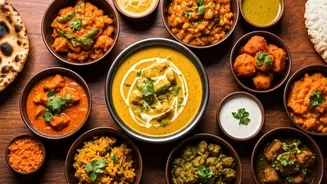
Lentil soup is a staple in various cultures, celebrated for its nutritional value and comforting taste. The soup features lentils as its primary ingredient, combined with vegetables, spices, and broth. Lentil soup is a versatile dish, adapting to local ingredients and culinary traditions. It is simple to make and can be customized with various spices and herbs, reflecting regional flavors. From the Middle East to India and beyond, lentil soup exemplifies the use of humble ingredients to create a filling and flavorful meal. This soup showcases the universal appeal of wholesome and nourishing cuisine.
Chicken Noodle Soup
Chicken Noodle Soup, a comforting classic, is a staple in many households worldwide, often regarded as a remedy for colds and illnesses. This simple soup typically comprises chicken, noodles, vegetables such as carrots and celery, and a flavorful broth. The dish's appeal lies in its familiarity and ease of preparation, which is why it is often associated with comfort and care. Variations on chicken noodle soup can be found across different cultures, with each family or region adding its unique twist. Chicken noodle soup represents the idea of creating nourishment through simple ingredients, reflecting culinary traditions.
Miso Soup (Japan)
Miso Soup, a cornerstone of Japanese cuisine, is a simple yet flavorful soup based on miso paste, a fermented soybean product. The soup typically contains dashi (a fish-based broth), miso paste, and ingredients such as tofu, seaweed (wakame), and scallions. Its origins trace back to Japan, where miso is a staple in the diet, adding umami and a depth of flavor. Miso Soup’s nutritional benefits and adaptability have contributed to its popularity worldwide. The preparation of the soup is a delicate balance of flavors, showcasing the expertise of Japanese culinary traditions. This soup epitomizes the art of simplicity and the ability to extract maximum flavor with minimal ingredients.