




Metropolises of Tomorrow
The world is rapidly transforming, and cities are at the forefront of this change. The concept of a 'smart city' has evolved into a reality in numerous
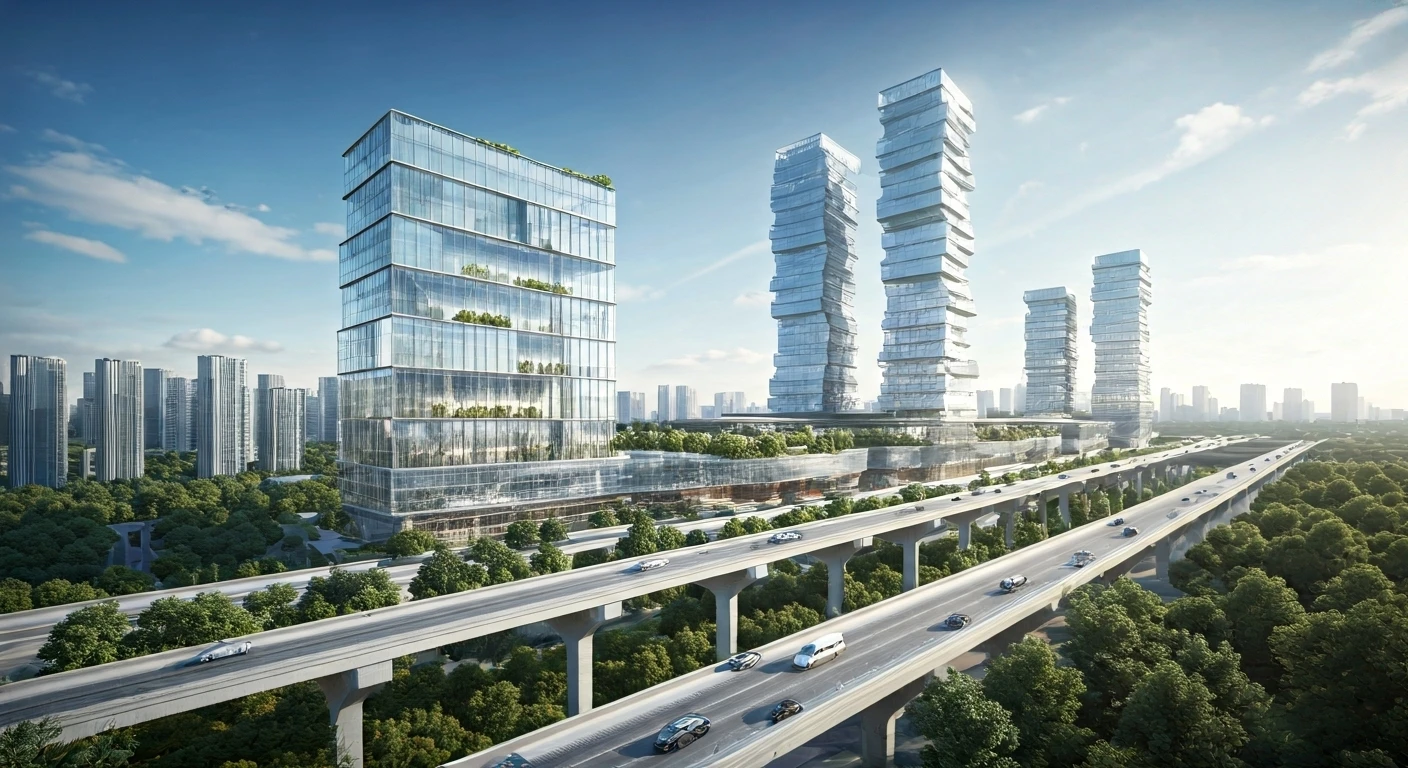
locations. These urban centers embrace innovative technologies, from efficient public transportation to sustainable energy solutions and advanced infrastructure. These cities are not just collections of buildings and roads; they are dynamic ecosystems, designed to improve the lives of their inhabitants and ensure a sustainable future. They integrate technology in ways that enhance daily life, making everything from commuting to managing utilities more efficient and accessible. These cities represent the future of urban living, providing insights into how our cities will function and adapt to meet the evolving needs of future generations.
Digital Integration
One of the core features of these modern cities is their embrace of digital integration. Intelligent systems are embedded throughout the urban environment, managing everything from traffic flow to waste management and public services. Smart grids optimize energy consumption, and data analytics are used to improve efficiency and reduce waste. In these cities, citizens can access services through mobile apps, receive real-time information about their surroundings, and participate in community initiatives digitally. This extensive integration of digital technology makes city management more responsive and provides residents with unprecedented control over their environment. Furthermore, the emphasis on digital technology helps cities to become more adaptable, making them able to accommodate the future's constantly changing demands.
Sustainable Living
Sustainability is a critical concern in the design and operation of the featured futuristic cities. Renewable energy sources like solar and wind power are integral components of their energy infrastructure. Green buildings, equipped with sustainable materials and designs, are commonplace, minimizing their impact on the environment. Waste management systems are highly efficient, with initiatives like recycling and waste-to-energy programs reducing environmental pollution. Public transportation is prioritized, with extensive networks of electric vehicles, promoting lower carbon emissions and reduced traffic congestion. These cities actively work to minimize their ecological footprint, demonstrating how urban areas can thrive in harmony with nature. They serve as models for how to develop sustainable urban environments and promote eco-conscious lifestyles worldwide.
Urban Mobility
Revolutionized transportation systems are another key aspect of these forward-thinking cities. Public transit networks are seamlessly integrated, with electric buses, high-speed trains, and even automated transit options readily available. Emphasis is placed on improving connectivity, with well-maintained pedestrian walkways and bicycle lanes, encouraging non-motorized transit. These urban centers often feature innovative approaches like smart traffic management systems that use data analytics to ease traffic congestion and enhance safety. The goal is to create an efficient and sustainable transportation network, reducing traffic and pollution while making the city more accessible and livable. By focusing on these advancements in transportation, these cities pave the way for improved travel experiences.
Smart Infrastructure
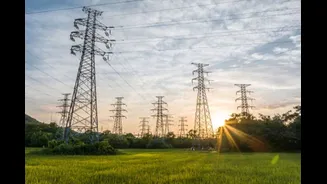
Smart infrastructure is a cornerstone of these modern urban centers. Smart grids efficiently manage energy distribution, reducing power outages and improving sustainability. Intelligent streetlights adapt to the environment by adjusting the light according to the time and the presence of pedestrians, thereby saving energy and improving safety. Digital sensors monitor everything, from air quality to structural integrity, allowing city officials to address concerns in real-time. This intelligent infrastructure enhances the overall efficiency of the city, improves services, and improves living conditions. Moreover, this approach promotes a data-driven approach to city management, which enables decision-makers to make effective choices based on concrete evidence, eventually contributing to a more resilient and responsive urban environment.
Community Engagement
In these forward-thinking cities, the concept of community engagement is central to the urban planning process. Public spaces are thoughtfully created to stimulate social interaction and community participation. Digital platforms enable citizens to share their opinions on city programs, providing opportunities for transparent governance. Urban design prioritizes pedestrian-friendly spaces and shared amenities, promoting a strong sense of belonging and collaboration among the citizens. These cities are designed to be inclusive and welcoming, with community involvement as a core value. This approach fosters civic pride and makes it easier for residents to connect with their surroundings, strengthening the social fabric of the urban environment. By actively involving its citizens in decision-making, these cities ensure that urban growth meets community needs.
Technological Innovation
Technological innovation is deeply embedded in the fabric of these progressive urban centers. Artificial intelligence and machine learning are deployed to optimize various services, from traffic management to waste management. Advanced communication networks, such as 5G and beyond, provide high-speed connectivity. Developments like IoT devices are integrated into homes, enabling smart living. These innovations are intended to improve the quality of life, making daily tasks easier and more enjoyable, and also foster an environment of innovation that fosters new inventions. This constant pursuit of advancement in technology transforms cities into dynamic environments, which constantly change in response to the demands of the people and the requirements of the modern world. These advancements in technology demonstrate the potential of cities to adapt to future issues.
Resilient Design
Resilience is a key focus in these cities, with designs that can withstand the challenges of climate change and other potential crises. Infrastructure is designed to resist extreme weather events, such as floods, droughts, and heatwaves. Disaster response systems are put in place to ensure quick and efficient responses to emergencies. The development of green infrastructure, such as parks and green roofs, helps to absorb excess water, reduce heat island effects, and enhance air quality. Through adaptive and forward-thinking urban planning, these cities intend to safeguard their inhabitants and infrastructure against future threats. This focus on resilience helps ensure the sustainability of the urban environment and the security of residents' futures. These practices demonstrate the importance of designing cities that can adapt and thrive in the face of future uncertainties.
Economic Development
The modern cities spotlighted here are not only environmentally friendly but also hubs of economic development. These urban areas embrace entrepreneurship and innovation, providing an environment that attracts startups and established firms. The construction of smart infrastructure generates employment opportunities and fosters economic growth. Cities often have a robust digital infrastructure, which improves business productivity and attracts investment. By fostering an innovative and collaborative business climate, these cities become magnets for skilled workers and investment capital. The focus on economic development helps to create thriving communities, providing residents with greater economic opportunities and a better standard of living. This also builds a path for sustainable development and prosperity.
Global Inspiration
These forward-thinking cities represent a significant source of inspiration for urban planners and policymakers worldwide. The strategies and technologies employed in these urban areas are being studied, adapted, and applied to build more sustainable and effective urban environments. They are setting standards for the future of urban design and management, emphasizing digital integration, environmental sustainability, and community involvement. These urban centers demonstrate the potential of modern cities to improve the lives of their inhabitants and build a more resilient future. These modern cities provide a glimpse into the next era of urban living, encouraging urban areas worldwide to innovate and adopt solutions for a better, more sustainable future.