






Hill Station Gridlock
The allure of peaceful mountain retreats is increasingly overshadowed by kilometer-long traffic snarls in popular destinations across Himachal Pradesh
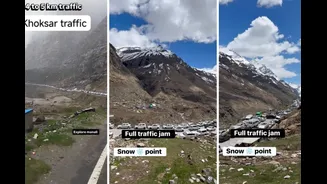
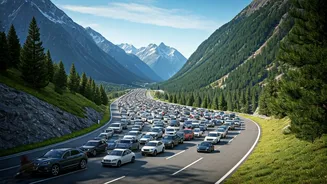
and Uttarakhand. Travelers who venture out to escape the hustle of urban life are now encountering a familiar scene of bumper-to-bumper congestion on winding mountain roads. Recent images and videos shared online, particularly from Koksar in Himachal's Lahaul region, starkly illustrate this growing problem. One viral post showcased a five-kilometer jam, prompting reflections on whether these pristine environments can cope with the sheer volume of private vehicles visiting during peak tourist seasons. This situation has ignited a conversation among netizens about the environmental impact, including pollution and waste, and the infrastructural challenges posed by the rising number of vehicles on roads not originally designed for such heavy use.
Nainital's Traffic Woes
Beyond Himachal Pradesh, the picturesque town of Nainital in Uttarakhand is also facing similar traffic congestion issues, mirroring the challenges seen elsewhere. A video circulating online depicted vehicles stationary for hours near the popular 'Snow Point' attraction, creating a scene indistinguishable from urban traffic jams. This visual disconnect between the expected tranquility of a mountain locale and the reality of traffic-induced delays has resonated with many online users. Observers note that such scenes have become a recurring feature of holiday seasons, transforming once peaceful vistas into scenes of vehicular standstill. The experience is a stark reminder for many that the very peace they seek in the mountains is being disrupted by the overwhelming influx of visitors and their private conveyances.
Erosion of Serenity
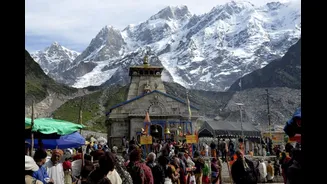
The rapid transformation of places like Lahaul-Spiti due to escalating tourism and improved road connectivity has led to a palpable sense of change. Many long-time observers and visitors lament the erosion of the unique charm and quietude that once defined these regions. Anecdotal accounts suggest that what was once considered an adventurous, once-in-a-lifetime journey is now being marred by the very accessibility that makes it easier to reach. This shift has led to a concern that the mystery and 'heavenly' essence of these lands are gradually diminishing, replaced by the familiar pressures of mass tourism. Some locals, in a poignant observation, have even remarked, 'Jaam hai to kaam hai' (If there's a jam, there's work), hinting at the economic reliance on tourism despite its disruptive side effects.
Solutions and Suggestions
In response to these escalating traffic problems, a consensus is forming online for stricter regulations and management strategies to preserve the mountain environment and tourist experience. A popular suggestion involves limiting the entry of private vehicles beyond a certain point, advocating for the use of smaller, state-run tourist buses for onward travel. There's also a call for promoting more sustainable modes of transport, with some users proposing that visitors should opt for walking and hiking within the mountains rather than driving their cars. These ideas reflect a broader desire to protect the fragile ecosystems of hill stations and ensure that they remain enjoyable and peaceful destinations for future generations, acknowledging that the current trajectory is unsustainable.