







Understanding Knee Osteoarthritis
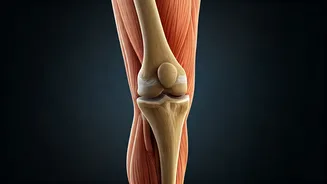
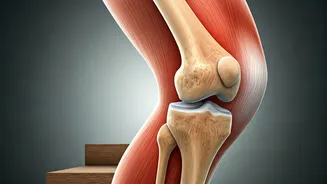
Knee osteoarthritis, a prevalent condition affecting roughly 30% of adults aged 45 and above, stems from the deterioration of cartilage within the knee
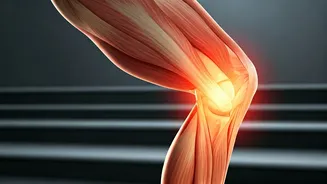
joint. This wear and tear leads to discomfort, inflammation, and stiffness, making everyday movements challenging. As individuals age, the likelihood of developing this degenerative joint disease escalates, with knee joints being particularly susceptible. While a significant portion of older adults show signs of knee osteoarthritis on X-rays, about half of them experience moderate symptoms. Despite exercise being a common therapeutic approach, specific recommendations on the most effective exercise types have often been lacking until now.
A Deep Dive into Exercise Science
To shed light on the most effective exercise modalities for knee osteoarthritis, researchers undertook an extensive review of 217 randomized controlled trials. These trials, spanning from 1990 to 2024 and involving a substantial 15,684 participants, meticulously compared a spectrum of exercise interventions. The study encompassed aerobic, resistance, flexibility, mind-body, and neuromotor exercises, as well as combined approaches. Employing the GRADE system to assess the reliability of the evidence, the analysis focused on key outcomes such as pain levels, mobility, gait patterns, and overall quality of life. The evaluation considered short-term (four weeks), mid-term (12 weeks), and long-term (24 weeks) effects, providing a comprehensive view of exercise efficacy.
Aerobic Exercise: The Champion
The findings decisively point towards aerobic exercise as the most impactful intervention for knee osteoarthritis. Evidence of moderate certainty indicates its remarkable effectiveness in alleviating pain during both short-term and mid-term treatment periods. Furthermore, aerobic activities significantly enhanced physical functioning across all measured timeframes. Beyond pain and function, the benefits extended to improvements in gait and a boosted quality of life within the initial short and mid-term periods. While other exercise forms also demonstrated value—mind-body exercises improving short-term function, neuromotor training aiding walking patterns, and strengthening exercises boosting physical function—aerobic exercise emerged as the primary driver of positive outcomes.
Safety and Guidance
Crucially, the study underscored that engaging in exercise, irrespective of its type, did not elevate risks when compared to control groups. This suggests that exercise is a fundamentally safe and effective strategy for managing knee osteoarthritis. However, the researchers did acknowledge certain study limitations, including variations in the quality of the included trials and a lack of long-term follow-up data in specific areas. Despite these nuances, the current research provides one of the most detailed comparisons of exercise therapies available for knee osteoarthritis, offering clear direction. The authors recommend prioritizing aerobic exercise as a first-line treatment, especially when the goals are to enhance functional capacity and reduce pain.
Alternative Options
For individuals who find themselves unable to participate in aerobic exercise, the research offers a reassuring alternative. The findings suggest that other structured forms of physical activity can still yield significant benefits. This flexibility ensures that a broader range of patients can access effective management strategies for their knee osteoarthritis. While aerobic exercise stands out as the most potent option for pain relief and functional improvement, the availability of other beneficial exercise types provides a vital fallback. This nuanced approach allows for personalized treatment plans, ensuring that most patients can find a suitable and effective way to manage their condition and improve their quality of life.