





Forest Cover Decline
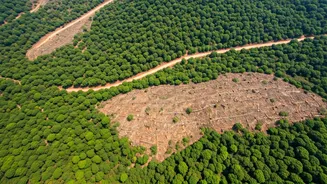
The Aravalli belt in Gurgaon is experiencing a significant decrease in its forest cover, according to a recent study. This decline is largely attributed
to the pressures of rapid urbanization. The study reveals a worrying pattern where green spaces are being replaced by concrete structures, roads, and other infrastructural developments. As the city expands, the natural habitats of various species are being reduced and divided. The implications of this diminishing forest cover extend beyond just the aesthetic. Forests play a vital role in maintaining the ecological balance, including regulating water cycles, purifying the air, and supporting biodiversity. The loss of these areas can have ripple effects, potentially leading to increased pollution, soil erosion, and climate change impacts. This situation demands immediate attention and effective measures to conserve what remains of the forests and to restore degraded areas, which will also need to be an integrated and long-term strategy.
Habitat Fragmentation Concerns
Habitat fragmentation is another critical issue highlighted in the study. This refers to the breaking up of continuous forest areas into smaller, isolated patches, which is a direct consequence of urban expansion and infrastructural development. This fragmentation poses significant challenges for wildlife. Animals face difficulties in finding food, mates, and shelter, as their movement is restricted by human settlements and infrastructure. Isolated populations become more vulnerable to genetic bottlenecks, reducing their ability to adapt to environmental changes. Furthermore, fragmented habitats often experience increased edge effects, where the boundaries of the forest are exposed to greater human influence. This can lead to increased disturbance, such as noise, light, and the introduction of invasive species. The study's findings underscore the urgent need for conservation efforts that focus not only on preserving the remaining forest cover but also on reconnecting fragmented habitats. This could involve creating wildlife corridors, establishing buffer zones, and implementing sustainable urban planning practices that prioritize the preservation of green spaces and the integration of nature within the urban landscape.
Impact of Urbanisation
Rapid urbanization is the primary driver behind the observed forest decline and habitat fragmentation in the Aravalli belt. As Gurgaon continues to grow, there's increasing demand for residential, commercial, and infrastructural development. This growth places immense pressure on the surrounding natural resources. Land is being cleared for construction, roads are being built, and industries are being established, all of which contribute to the loss and fragmentation of forests. The environmental consequences of this are far-reaching. The reduction in green cover can lead to increased air pollution, contributing to respiratory illnesses and other health problems for the city's residents. Furthermore, the loss of natural habitats disrupts the ecological balance, affecting the region's biodiversity and the ecosystem services that it provides. Urbanization also leads to increased waste generation and water consumption, further straining the environment. To mitigate these impacts, it is essential that urban planning incorporates sustainable practices, such as promoting green building design, establishing urban forests, and implementing efficient waste management systems. These measures, combined with strict regulations, can ensure that urbanization proceeds without causing irreparable harm to the surrounding environment and biodiversity.
Need for Conservation
The study's findings emphasize the urgent need for comprehensive conservation strategies in Gurgaon's Aravalli belt. Preserving the remaining forest cover and mitigating the impacts of habitat fragmentation should be the top priorities. Conservation efforts should include strict enforcement of environmental regulations to prevent illegal logging and encroachment on forest land. Reforestation initiatives are also critical, focusing on planting native tree species to restore degraded areas and enhance biodiversity. Creating and maintaining wildlife corridors is essential to reconnect fragmented habitats, allowing animals to move freely and access resources. Sustainable urban planning is crucial to limit the negative impacts of urban expansion. This means prioritizing green spaces, incorporating sustainable building practices, and implementing effective waste management systems. Community involvement is also vital, and local residents should be educated about the importance of conservation and encouraged to participate in protecting the natural environment. Collaboration between government agencies, environmental organizations, and local communities is necessary to create and implement effective conservation measures. By working together, a sustainable future can be ensured for the Aravalli belt, preserving its forests and biodiversity for future generations.