







Temperature is Key
Deciding whether to crack open or seal your windows during sweltering summer days hinges on a crucial factor: the temperature differential between the outdoors
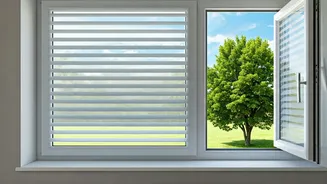
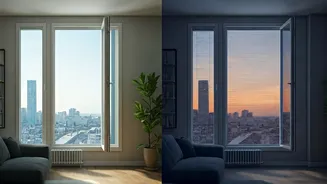
and your indoor space. If the air outside has cooled down, particularly during the early morning or late evening hours, opening your windows can be a fantastic natural way to let that pleasant coolness permeate your home. This passive cooling can significantly reduce reliance on energy-guzzling air conditioning. However, the strategy flips entirely when the mercury soars. During the peak heat of the day, when outdoor temperatures far exceed what's comfortable inside, keeping windows tightly shut becomes paramount. This action effectively acts as a barrier, preventing the oven-like external air from infiltrating your living space and raising the internal temperature. It's a simple yet effective principle of thermal regulation: let cool air in and keep hot air out.
Humidity's Hasty Hand
Beyond just temperature, the level of humidity outside plays a pivotal role in your window strategy. High humidity can transform an otherwise appealing open window into a discomfort amplifier. When the air is thick with moisture, opening windows allows this sticky, damp air to enter your home, making the environment feel even more oppressive. This can lead to increased sweating and a general feeling of being unable to cool down, often making air conditioning a more viable solution as it actively tackles both temperature and moisture. Conversely, in drier climates, the impact of humidity is less pronounced, and opening windows during cooler, drier periods—like dawn or dusk—can be highly beneficial. The influx of cool, dry air effectively lowers the indoor temperature without creating that unpleasantly damp sensation, offering a refreshing natural chill.
Timing Your Openings
Strategic timing is your greatest ally when managing windows during hot summer weather. The golden rule is to leverage the coolest parts of the day for ventilation. This means unlatching your windows in the early morning, as soon as the outside air begins to feel noticeably cooler than your home's interior, and again in the late evening once the sun's oppressive heat has dissipated. These periods offer a window of opportunity to naturally acclimatize your home to a more comfortable temperature, reducing the need for artificial cooling. Conversely, when the sun is at its zenith and radiating intense heat, typically during the afternoon and midday hours, keeping your windows firmly closed is the most effective approach. This preserves the cooler air you've already established inside, preventing the day's accumulated heat from entering and making your living space significantly warmer.
Fans and AC Synergy
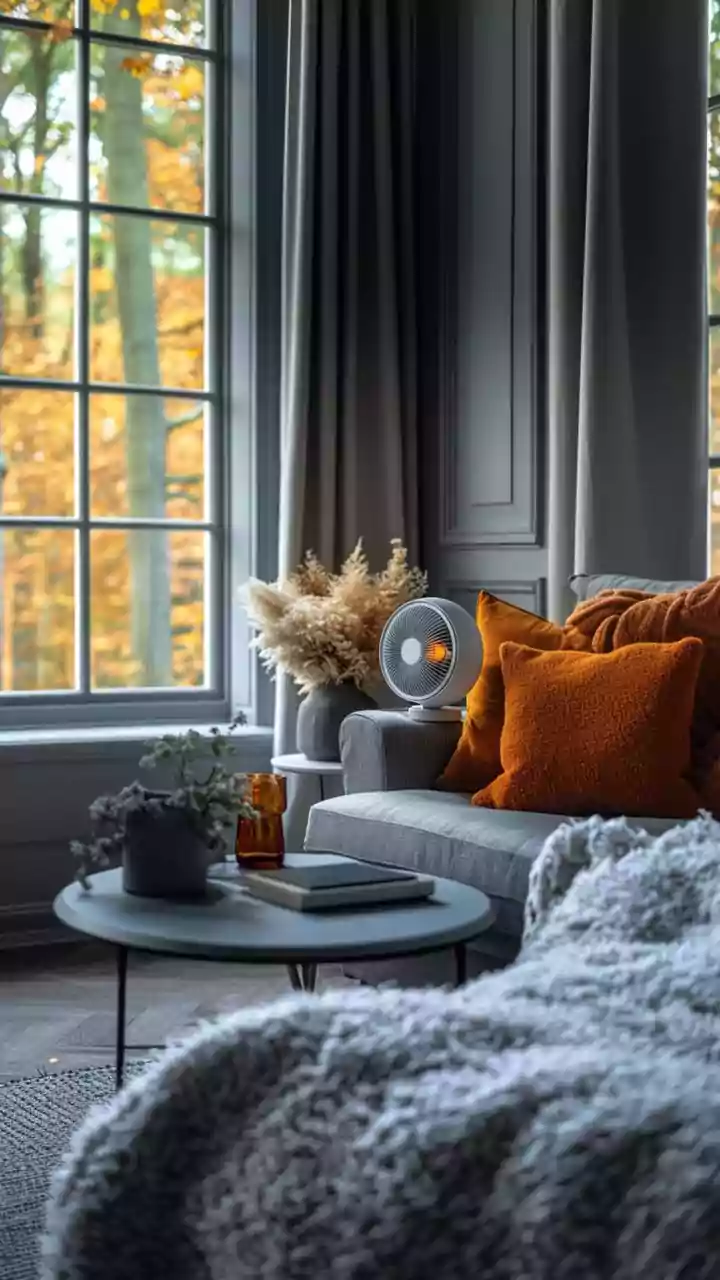
Maximizing comfort often involves a clever interplay between your windows, fans, and air conditioning. When using fans in conjunction with open windows, the objective is to create a refreshing cross-breeze. By strategically placing fans near openings, you can actively draw cooler outside air into your home and expel warmer indoor air, promoting a natural ventilation cycle that enhances comfort, especially during cooler transitional hours. However, when your air conditioning unit is running, the dynamic shifts dramatically. AC systems are designed to cool and dehumidify air within a closed environment. Leaving windows open while the AC is on not only undermines its efficiency by allowing warm, humid air to constantly enter but also significantly increases your energy consumption. For optimal cooling and energy conservation, it's crucial to ensure all windows and doors are tightly sealed when the air conditioner is in operation.