



Early Parisian Salons
The concept of models displaying garments to potential buyers didn't originate with the modern catwalk. In the mid-19th century, pioneering designers like
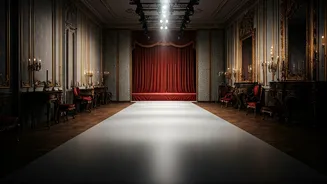
Charles Frederick Worth in Paris introduced a novel approach. Instead of simply presenting sketches or fabric swatches, Worth invited wealthy clients into his salon and had live models don his creations. These exclusive showings were designed to offer a more intimate and direct experience of the clothing, allowing patrons to see the designs in motion and in person. This private presentation format is widely recognized as the precursor to what we now understand as a fashion show, laying the groundwork for future developments in the industry.
Haute Couture Flourishes
As the 20th century dawned, the fashion presentation evolved beyond intimate salon showings. Visionary couturiers began to transform these events into more elaborate displays. Designers like Paul Poiret infused their shows with a theatrical flair, moving beyond mere garment display to create immersive experiences. These presentations incorporated elements of performance, featuring music and meticulously crafted themed settings designed to enhance the mood and narrative of the collection. These increasingly dramatic events were aimed at both attracting elite clients and securing orders from fashion buyers, solidifying the runway as a crucial business and artistic tool for couture houses.
American Fashion Emerges
While Paris led the charge in haute couture presentations, fashion shows also began to take root in the United States during the early 20th century. Department stores played a significant role in this development, organizing their own fashion parades. These events served a dual purpose: they were designed to capture the attention of shoppers and to showcase the latest trends, often directly inspired by the styles arriving from Europe. These American parades helped democratize fashion viewing, bringing designer-inspired looks to a broader audience and establishing a retail-driven approach to fashion showcasing.
The Rise of Fashion Weeks
A pivotal moment in the history of the runway occurred in 1943 with the inception of New York Fashion Week. This event emerged out of necessity during World War II, as American designers found themselves unable to travel to Paris for their customary shows. The creation of a dedicated fashion week in New York provided a vital platform for American talent and solidified the concept of an organized, recurring schedule of fashion presentations. This marked a significant step towards the globalized fashion calendar we recognize today, establishing major fashion hubs and fostering a more international dialogue in the industry.
The Supermodel Spectacle
The 1990s heralded a golden era for the fashion runway, transforming it into a phenomenon of global proportions. This period saw the ascent of the 'supermodel,' a new breed of fashion icon. Figures like Naomi Campbell and Cindy Crawford became household names, commanding immense media attention and elevating the profile of runway shows to unprecedented levels. Their star power and influence turned fashion weeks into major cultural events, attracting widespread public interest and significantly boosting the commercial and cultural impact of the runway as a spectacle.
Theatrical Runways Today
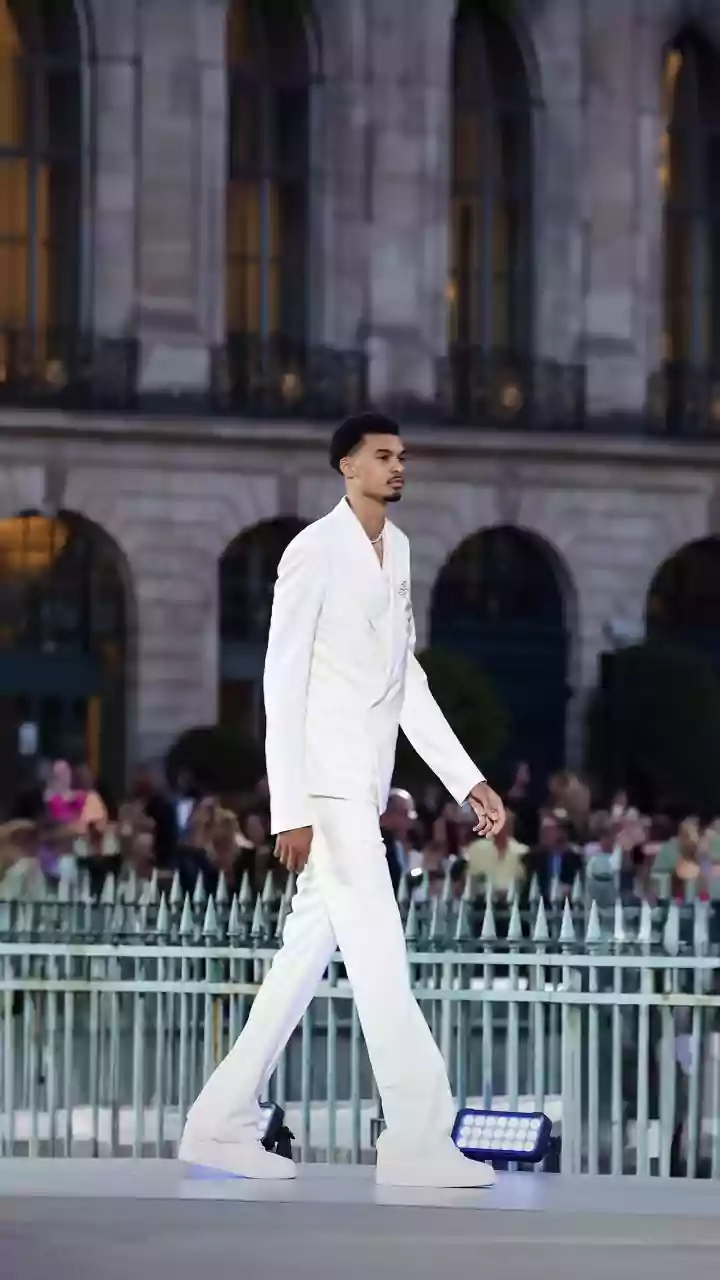
In the contemporary fashion landscape, runway shows have evolved into elaborate, immersive artistic performances. Designers now conceptualize their shows as multi-sensory experiences, utilizing intricate sets, compelling narratives, and innovative staging to bring their collections to life. Brands recognized for pushing creative boundaries, such as Chanel and Alexander McQueen, frequently transform the runway into a theatrical stage. These shows are no longer just about displaying clothes; they are carefully crafted artistic statements designed to evoke emotion, tell stories, and leave a lasting impression on audiences worldwide.