








Beneath The Surface
India's mining sector, a cornerstone of economic activity, conceals a shadowy underworld. This 'mining mafia,' a network of individuals and groups, operates
outside the law, extracting resources through illegal means. This illicit activity isn't just about stealing resources; it's a complex ecosystem of corruption, violence, and environmental devastation. The mafia often colludes with officials, exploits loopholes in regulations, and silences dissent through intimidation. The consequences are far-reaching, from environmental degradation and loss of livelihoods to the enrichment of powerful individuals at the expense of the nation. This section will delve into the core activities of the mining mafia, the methods they employ, and the impact their actions have on the people and places they affect.
Methods of Operation
The mining mafia employs a range of tactics to maintain its operations. One common method involves illegal mining activities, such as extracting minerals from unauthorized areas or exceeding permitted limits. They often evade environmental regulations, causing significant damage to ecosystems. Another tactic involves manipulating permits and licenses, either by obtaining them fraudulently or by exploiting existing loopholes in the system. Corruption is a key enabler, with mafia members bribing officials at various levels to turn a blind eye to their activities. This includes local authorities, police officers, and even higher-ranking officials. Violence and intimidation are also used to silence opposition, with those who speak out against the mafia facing threats, assaults, or even death. The scale and sophistication of these methods highlight the entrenched nature of the problem, and how deeply it is embedded within society.
Environmental Devastation
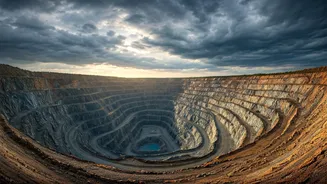
The mining mafia leaves a trail of environmental destruction in its wake. Illegal mining operations often ignore environmental safeguards, leading to widespread damage to forests, rivers, and agricultural lands. Deforestation is a common consequence as trees are cleared to access mineral deposits. Water pollution is another serious issue, as mining activities release harmful chemicals and pollutants into water bodies, affecting both human health and aquatic life. Soil erosion and land degradation are also significant problems, turning fertile land into barren wastelands. The long-term consequences of this environmental damage include loss of biodiversity, disruption of ecosystems, and increased vulnerability to natural disasters. It's a stark reminder that short-term economic gains often come at a severe and lasting environmental cost.
Impact on Communities
The communities living near mining areas bear the brunt of the mafia's activities. Many local residents are displaced from their homes to make way for mining operations, often without adequate compensation or resettlement. Their livelihoods, often tied to agriculture or traditional practices, are destroyed. The influx of workers and money can also lead to social disruption, including increased crime, violence, and substance abuse. The mafia often exploits local populations, using them as laborers under unsafe conditions and paying them meager wages. There's also the problem of health. Exposure to dust, chemicals, and other pollutants from mining activities leads to respiratory illnesses and other health problems. The overall impact creates a cycle of poverty, inequality, and social unrest, as communities struggle to cope with the negative consequences of illegal mining.
The Fight for Justice
Despite the immense power of the mining mafia, individuals and organizations are fighting to bring them to justice. Activists, journalists, and whistleblowers risk their lives to expose illegal activities and corruption. Legal battles are fought in the courts to challenge illegal mining operations and hold perpetrators accountable. Community groups organize protests, and awareness campaigns to mobilize public support and demand action. Government agencies, too, are tasked with investigating illegal mining, though corruption and lack of resources often hinder their efforts. The fight for justice is a long and arduous process, with the mafia often using its influence to obstruct investigations and delay legal proceedings. Nevertheless, these efforts are crucial in holding the perpetrators accountable and protecting communities and the environment. These efforts are also important to bring about meaningful change and provide a degree of closure to the affected communities.
Call for Reforms
Addressing the problem of the mining mafia requires comprehensive reforms. Stronger laws and regulations are needed to prevent illegal mining activities and protect the environment. Enhanced enforcement mechanisms are crucial, with greater resources allocated to investigative agencies and stricter penalties for those involved. Tackling corruption is critical, which involves creating transparent governance structures, and holding corrupt officials accountable. Empowering local communities by giving them a voice in decisions, and ensuring they benefit from mining activities is also an important aspect. Promoting sustainable mining practices, encouraging responsible resource management, and fostering public awareness are all vital steps. Only through a multi-pronged approach, involving legal, social, environmental, and economic reforms, can India effectively combat the mining mafia and protect its resources and its people.