





Riverine Dominance Revealed
India's geography is intricately woven with a vast network of rivers, vital for agriculture, sustaining life, and holding deep cultural meaning. While
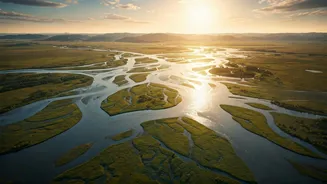
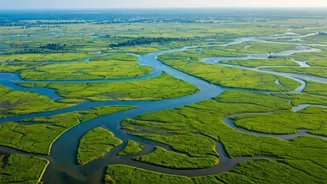
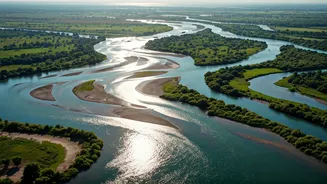
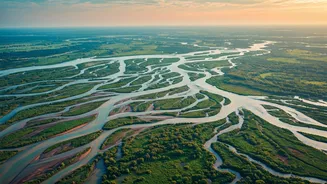
many might point to states known for their mountainous terrain or plains, the state with the highest number of rivers is none other than Uttar Pradesh. This northern Indian state, characterized by its extensive plains, serves as a crucial junction for numerous water bodies. Media reports suggest that Uttar Pradesh is traversed by over 30 rivers, encompassing both major arteries and their numerous tributaries. This sheer volume of flowing water underscores the state's unique hydrological prominence, making it a true powerhouse of India's riverine landscape.
Lifelines and Sacred Confluences
The rivers flowing through Uttar Pradesh are far more than mere geographical features; they are the very lifelines that nourish millions. Among the most significant are the Ganga and the Yamuna, revered not only for their immense practical utility in irrigation and drinking water but also for their profound spiritual significance. The state is dotted with cities that owe their fame to their riverside locations. Varanasi, for instance, is globally recognized for its sacred ghats along the Ganga, drawing pilgrims and tourists alike. Similarly, Prayagraj is celebrated for the divine confluence of the Ganga, Yamuna, and the mythical Saraswati, a site of immense religious importance. These rivers are integral to the state's cultural fabric and its people's daily existence.
Iconic Landmarks by Water
The presence of these mighty rivers has shaped not only the cultural and religious landscape but also provided a breathtaking backdrop for some of India's most iconic landmarks. The majestic Taj Mahal, a UNESCO World Heritage site and a symbol of eternal love, stands gracefully on the banks of the Yamuna River in Agra. The river's presence enhances the monument's ethereal beauty, reflecting its grandeur and adding to its timeless allure. The strategic positioning of such historical and architectural marvels alongside these rivers highlights their enduring role in defining India's visual and cultural identity, further cementing Uttar Pradesh's significance as a custodian of both natural and man-made wonders.