





A Culinary Landmark Halts
Shree Thaker Bhojanalay, a venerable vegetarian restaurant in South Mumbai, has ceased its operations for the time being. This establishment, renowned
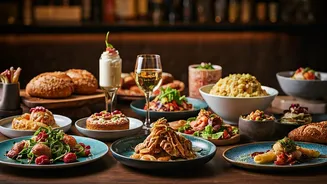
for its authentic Gujarati and Rajasthani thalis, has been a cherished dining spot for a diverse clientele, including high-profile figures like Mukesh Ambani, numerous Bollywood actors, and even globally recognized Michelin-starred chefs. The reason cited for this unexpected pause in service is a critical issue with Liquefied Petroleum Gas (LPG) supply. While the precise details surrounding the gas shortage remain undisclosed, the management is actively working towards a resolution with the hope of reopening its doors to patrons very soon. The restaurant has long been a significant destination for those seeking genuine Indian vegetarian fare, offering an elaborate thali showcasing a wide array of traditional dishes, cementing its status as a favorite among locals and visitors alike.
The LPG Shortage Impact
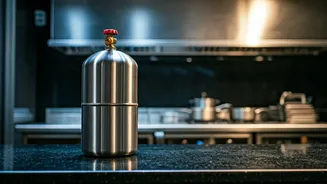
The abrupt closure of Shree Thaker Bhojanalay stems directly from an acute shortage of commercial LPG cylinders, a vital resource for bulk cooking operations. According to Gautam Purohit, whose father established the eatery in 1945, the restaurant requires approximately six cylinders daily. Facing insufficient supply, they could only continue service until Sunday, shutting down from Monday onwards. This situation has cast a pall over the eagerly anticipated mango season, during which the eatery typically serves unlimited bowls of delicious aamras, a delicacy that draws considerable crowds, especially on weekends and special occasions. The uncertainty has left Purohit, who is 60 years old, feeling that "there is no certainty about anything," particularly regarding the introduction of their famous aamras, planned from Gudi Padwa on March 19. The temporary halt has significant implications for the 35 staff members who reside on the premises, for whom Purohit is arranging alternative cooking arrangements, demonstrating his commitment to retaining his loyal team.
An Institution's Legacy and Future
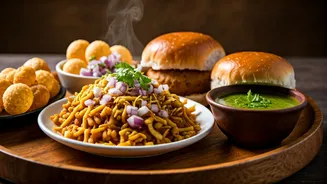
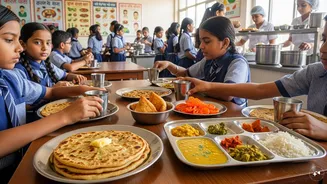
Established in 1945, Shree Thaker Bhojanalay has evolved from a humble 200 sq ft thali spot catering to local traders into a celebrated Mumbai institution. The 80-seater restaurant in Kalbadevi is known for its elaborate Gujarati thalis with a Rajasthani influence, attracting a wide spectrum of diners from families and tourists to celebrities like Dhirubhai and Kokilaben Ambani, politicians such as Raj Thackeray, and actors like Sachin Tendulkar and Vidya Balan, alongside esteemed chefs. The article recounts a visit where queues formed before opening, and the walls were adorned with photos of celebrity patrons and numerous awards. The daily thali, priced at Rs 700 on weekdays and Rs 1,000 on weekends, boasts around 35 items, including multiple vegetable preparations, dals, rotis, sweets, and seasonal specials like mango aamras. The management is exploring options like commercial induction cooktops, with an order placed for several units, but faces a waiting period of eight days. The reopening timeline remains uncertain, contingent on securing LPG supply or successfully adapting to new cooking methods, with Purohit emphasizing that their staff's comfort with induction cooking is a crucial factor.
Wider Industry Challenges
The predicament faced by Shree Thaker Bhojanalay is not an isolated incident; it reflects a broader challenge impacting thali restaurants across India due to the commercial LPG shortage. Other established chains, such as the 75-year-old Nanumal Bhojraj, have also been compelled to close multiple outlets in Mumbai and are experiencing severe LPG supply issues in both Pune and Mumbai. Sagar Daryani, president of the National Restaurant Association of India (NRAI), indicates that the situation is gradually improving nationally, with several states issuing notifications for commercial LPG cylinder allocations ranging from 10% to 42%, with Delhi leading at 42%. However, Mumbai and Rajasthan are noted exceptions where no official allocation announcements have been made. The NRAI has formally communicated with the Ministry of State for Food and Civil Supplies and Chief Secretaries in these states, seeking relief. Restaurants are currently engaged in a struggle for survival, implementing measures like menu and service rationalization to navigate the period until commercial LPG supplies are restored, underscoring the critical need for consistent energy access in the food service industry.