



The Tiny Parasite
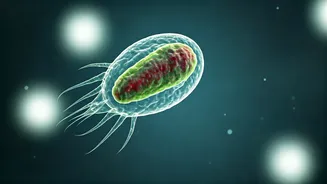
Delve into the world of Toxoplasma gondii, a microscopic organism that resides within cats' intestinal tracts. Often, infected felines show no outward
signs, making them silent carriers. Cats typically contract this parasite by ingesting infected prey or consuming undercooked meats. While indoor cats with controlled diets are at a lower risk, their outdoor counterparts or those with hunting habits face a greater exposure. This parasite isn't just a cat issue; it can pose a significant concern for human health, particularly for individuals with compromised immune systems or during pregnancy, necessitating a thorough understanding of its transmission routes and preventative measures for responsible pet parenting.
Human Transmission Pathways
Understanding how Toxoplasma gondii transitions from feline to human is paramount for prevention. The primary routes of infection for people involve direct contact with contaminated cat feces, often encountered during litter box maintenance, or through the consumption of undercooked meat. When cat litter isn't handled with care, or when hands aren't washed properly after cleaning, the parasite can find its way to humans. Experts strongly advise implementing consistent hygiene practices, such as wearing gloves when cleaning litter boxes, ensuring cats are fed well-prepared meals, and thorough handwashing after any potential exposure, to effectively mitigate this risk. These simple yet vital steps are crucial for maintaining a healthy environment for both pets and their owners.
Health Implications Unveiled
While many healthy individuals might experience mild, flu-like symptoms or even remain entirely asymptomatic if infected with toxoplasmosis, the condition caused by Toxoplasma gondii can have more serious ramifications. For those with weakened immune systems, such as individuals undergoing chemotherapy or living with HIV/AIDS, or during pregnancy, the parasite presents a grave danger. In pregnant women, toxoplasmosis can lead to severe complications including birth defects, miscarriage, or serious health issues for the newborn. The potential for neurological effects in some individuals, such as altered decision-making and increased risk-taking behaviors, although still under extensive research, highlights the parasite's insidious influence and the importance of proactive prevention.
Simple Prevention Strategies
Fortunately, safeguarding against Toxoplasma gondii is largely achievable through consistent and responsible habits. A cornerstone of prevention is daily litter box cleaning, always performed with protective gloves to prevent direct contact. Thorough handwashing is essential after any potential exposure, whether it be with cat feces, soil, or raw meat. Ensuring all meat, particularly pork, lamb, and venison, is cooked to a safe internal temperature is vital. Furthermore, feeding your cats commercially prepared pet food or thoroughly cooked meat prevents them from ingesting contaminated food sources. Keeping cats indoors also minimizes their chances of hunting and consuming infected prey. By embracing these straightforward practices, pet owners can significantly reduce the risk of toxoplasmosis for themselves and their beloved feline companions, fostering a healthy coexistence.