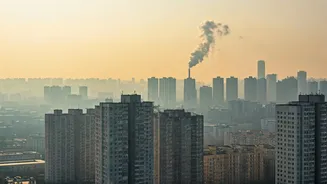

Delhi's Pollution Surge
The air quality in Delhi has deteriorated significantly, leading to a major health crisis. The Air Quality Index (AQI) has skyrocketed to 498, classifying
the air as 'Severe'. This alarming level necessitates urgent action to protect the city's residents. The primary cause of this pollution surge is a combination of factors, including vehicular emissions, industrial discharge, and seasonal influences like stubble burning and colder weather. This dangerous state has triggered immediate intervention from the authorities. A crucial point to consider is the far-reaching impact this level of pollution will have on the daily lives of citizens, from respiratory ailments to the overall well-being of the population. Delhi's battle against pollution is proving to be a constant uphill struggle, making it crucial for every resident to stay informed and supportive of the measures intended to manage this emergency.
GRAP-IV Regulations Activated
To address the severe air pollution, the Graded Response Action Plan (GRAP-IV) has been put into effect. This is the most stringent level of the plan, with measures aimed at drastically cutting pollution sources. The implementation encompasses various key steps. Among the crucial measures is the enforcement of a 'No PUC, No Fuel' rule for vehicles. Additionally, a work-from-home mandate has been put in place, requiring 50% of the workforce to operate remotely, lessening the number of cars on the roads. Moreover, certain types of vehicles are subject to bans, further curtailing emissions. The comprehensive approach highlights the gravity of the situation and the government's resolve to alleviate the harmful effects of the extreme AQI. It highlights the urgent need for collaborative efforts to protect the city from the dangerous effects of the current air quality.
Impact & Challenges Ahead
The impact of Delhi's air pollution crisis is widespread, affecting both the environment and the health of the populace. The 'Severe' AQI poses considerable risks, mainly causing respiratory diseases and various other health complications. The restrictions implemented through GRAP-IV, though necessary, also present numerous challenges. The work-from-home mandates can cause difficulties for certain sectors and businesses. Enforcing vehicle restrictions and managing traffic effectively demands meticulous planning and execution. Moreover, there's a need to balance environmental regulations with economic activities and people's livelihoods. The complexity of the air pollution situation calls for continuous monitoring, adaptive strategies, and a collaborative effort involving various stakeholders, including government bodies, businesses, and citizens. The battle against Delhi's air pollution crisis requires unwavering commitment, long-term perspectives, and a dedication to safeguarding the city's health and environment.