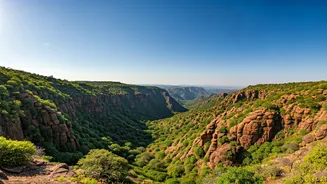

Aravallis' Climate Power
The Aravalli Range holds immense significance for North Indian climate, acting as a crucial barrier against the spread of the Thar Desert. The mountains
intercept moisture-laden monsoon winds, leading to precipitation in the regions and sustaining critical water resources. This process prevents the western regions from becoming completely arid, preserving agriculture and ecosystems. Besides, the Aravallis help regulate temperature, ensuring moderate conditions by preventing extreme weather fluctuations, which further supports the region's climate equilibrium. Its presence also influences the air quality, acting as a natural air filter and removing pollutants to help in better human living.
Govt's Stance Clarified
The government has addressed growing concerns about the impact of its policies on the Aravalli Range. The authorities have repeatedly stated that fears surrounding the definition provided by the Supreme Court are misplaced. Their statements suggest a commitment to environmental protection while balancing developmental needs. The government's perspective likely involves emphasizing sustainable practices, regulatory oversight, and a commitment to safeguard the ecological integrity of the Aravallis. This stance signifies an intention to find solutions and address various issues around the region.
Facing Environmental Threats
The Aravalli Range currently faces numerous environmental challenges. Deforestation due to mining, urbanization, and agricultural expansion is one of the most significant threats. This leads to soil erosion, reduced biodiversity, and disruption of water cycles. Moreover, unchecked development and industrial activities have contributed to pollution in the region, which has led to detrimental effects on both the environment and human health. The challenges underscore the importance of protecting the area to preserve its ecological value for future generations.
Conservation Imperatives
Conserving the Aravalli Range is imperative for ecological, economic, and social well-being. Conservation efforts can support ecosystem services such as water regulation, carbon sequestration, and biodiversity preservation. Additionally, protecting the Aravallis would benefit local communities by maintaining sources of livelihood and supporting sustainable tourism. The combined effect of these conservation efforts ensures a healthier environment for the whole region. Therefore, preserving this region is crucial to addressing climate change and promoting a sustainable future.
Mining and Concerns
Mining operations pose substantial threats to the Aravalli Range. These activities lead to deforestation, habitat destruction, and soil degradation. The impact of mining activities extends beyond environmental degradation, resulting in water contamination and air pollution that affect local communities. These concerns have led to public outcries. The Centre has been trying to clear fears raised by the opposition parties by declaring that only 0.19% of the region is eligible for mining. Such statements show efforts by the government towards sustainable mining practices to protect the environment.
A Path Forward
The future of the Aravalli Range depends on a cohesive approach involving effective conservation strategies. These strategies may involve sustainable land-use planning, strict regulation of mining and development, and community participation in conservation efforts. Promoting eco-tourism and providing sustainable livelihoods could help support local economies while protecting the environment. A comprehensive and balanced strategy that combines environmental preservation with social and economic development is vital for securing the Aravallis' future and ensuring their climate significance in North India.