







Air Quality Deterioration
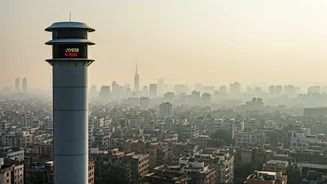
Delhi's air quality has taken a turn for the worse, with levels dropping to the 'very poor' category once again. This signifies a significant rise in pollutants,
posing health risks to the city's inhabitants. The concentration of harmful particles, such as PM2.5 and PM10, has increased, leading to hazy conditions and decreased visibility. Several monitoring stations across Delhi have recorded alarming levels, indicating a widespread problem. This situation underscores the ongoing struggle to mitigate air pollution in the capital, particularly during the winter months when meteorological conditions often trap pollutants close to the ground. The recent shift highlights the urgent need for effective measures to improve air quality and safeguard public health.
Worst-Hit Locations
Specific areas in Delhi are experiencing the most severe air pollution, with Jahangirpuri and Anand Vihar emerging as the worst-hit regions. These locations consistently report the highest concentrations of pollutants, exceeding the permissible limits set by environmental authorities. Residents in these areas are exposed to elevated health risks due to prolonged exposure to hazardous air. The factors contributing to this intense pollution vary, including local industrial emissions, vehicular traffic, and seasonal changes that trap pollutants. Public health officials are urging residents in these areas to take extra precautions, such as avoiding outdoor activities during peak pollution hours and using air purifiers indoors. These localized hotspots reveal the need for targeted interventions to address pollution at its source and provide immediate relief to affected communities.
Seasonal Impact & Factors
The onset of winter significantly exacerbates Delhi's air quality issues. Lower temperatures and reduced wind speeds contribute to the build-up of pollutants in the atmosphere. The phenomenon of temperature inversion, common during winter, traps pollutants closer to the ground, preventing their dispersal. This, combined with the burning of stubble in neighboring states, and local sources of emissions, results in a surge in pollution levels. The seasonal changes therefore play a crucial role in shaping Delhi's air quality. Identifying and managing these influencing factors is pivotal in creating sustainable solutions and effectively controlling the annual pollution crisis. Addressing these complex interactions requires comprehensive strategies and coordinated efforts across various sectors.