




Fortifying Mumbai's Grid
In a crucial development for India's financial capital, a substantial 1,000 megawatt (MW) high-voltage direct current (HVDC) transmission line has been
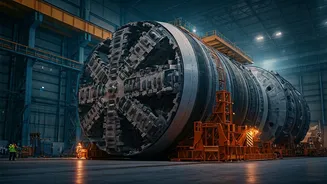
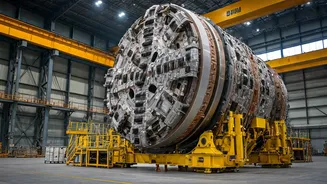
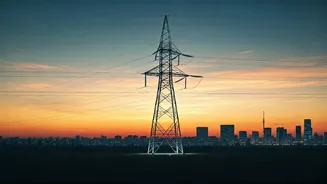
brought online. This vital artery connects Kudus to Aarey, serving as a cornerstone for reinforcing the power infrastructure across Mumbai and the broader Mumbai Metropolitan Region (MMR). The project, a testament to innovative engineering, navigates the complexities of a densely populated urban landscape through a combination of a 30-kilometer overhead line and a 50-kilometer underground corridor. It's notable for featuring what is claimed to be the world's first compact HVDC substation, underscoring a commitment to advanced and space-efficient solutions. This initiative stems directly from the lessons learned during the significant power outage experienced in October 2020, which highlighted the vulnerabilities in the city's existing power network and spurred a strategic imperative to build a more robust and dependable electricity supply system for the future.
Enhanced Energy Flow
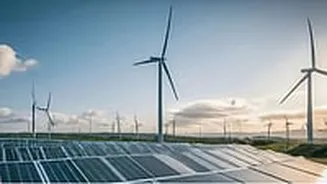
This new 1,000 MW HVDC link is designed to dramatically improve Mumbai and the MMR's capacity to import electricity from beyond their immediate boundaries, with a particular emphasis on channeling renewable energy generated in distant locations. While the region already benefits from connections to the national grid, this specialized HVDC line offers a superior method for managing power distribution. It ensures more controlled, efficient, and higher-volume electricity transfers, which is particularly beneficial for integrating fluctuating renewable energy sources into the grid. For the MMR, one of the nation's most power-hungry urban areas, this upgrade signifies a paradigm shift in how electricity is delivered. The addition of 1,000 MW of capacity serves to decrease the dependence on power generated within the city itself, thereby enhancing the overall resilience of the grid and significantly mitigating the risk of widespread power interruptions that have plagued urban centers.
Advanced Technology Deployment
The implementation of this advanced transmission system relies on Voltage Source Converter (VSC)-based HVDC technology. This cutting-edge approach provides unparalleled advantages in managing power flows, allowing for faster and more precise adjustments to meet demand. Crucially, it bolsters voltage stability and strengthens the overall reliability of the power grid, a critical factor in the challenging environment of a densely built urban area. Beyond these core benefits, the technology offers significant operational improvements, including the capacity for dynamic voltage support, which helps maintain stable power quality. Furthermore, it minimizes energy losses over long transmission distances and possesses black-start capability. This means the system can initiate power restoration independently, without external power sources, facilitating a much quicker recovery following any disruptions or outages.
Global Significance
The newly commissioned Kudus-Aarey link stands out as one of the most substantial urban HVDC power inflow projects globally. Its successful integration is projected to considerably increase the proportion of electricity sourced from outside Mumbai, thereby alleviating the strain on in-city power generation facilities. This strategic move is instrumental in fortifying grid resilience as the demand for energy continues its upward trajectory across the MMR. The project represents a significant stride in AESL's overarching strategy to develop modern transmission infrastructure that can effectively support India's rapidly expanding renewable energy capacity. As urban centers experience escalating energy needs, the capability to integrate long-distance clean power sources into city grids becomes paramount for sustaining economic growth while simultaneously achieving ambitious decarbonization targets.