







Energy Transition Goals
India has set ambitious goals to tap into its clean energy potential. A crucial 'to-do list' has been developed, with the intention of making these goals a reality.
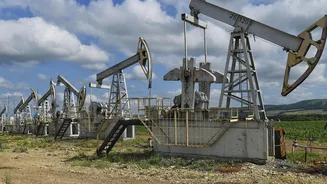
The nation is dedicated to boosting renewable energy sources, enhancing energy efficiency, and reducing reliance on fossil fuels. These steps are essential for a cleaner energy future. This involves substantial investments in renewable energy infrastructure, such as solar and wind power plants, as well as developing advanced grid systems capable of integrating these variable energy sources. A significant facet of this transition is also to upgrade energy efficiency in various sectors, from industry and transportation to residential buildings. The objective is to bring about a complete shift in India’s energy landscape.
Renewable Energy Expansion
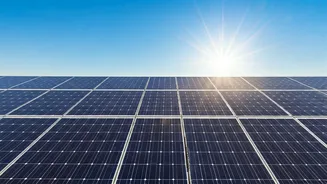
One of the central pillars of India's clean energy strategy is the rapid expansion of renewable energy sources. This encompasses a variety of initiatives, including large-scale solar and wind projects, the development of hydropower, and the promotion of bioenergy. Solar energy is particularly vital due to the country’s ample sunshine. India is aiming to increase its solar power generation capacity significantly by investing in solar parks and incentivizing rooftop solar installations. Wind energy, especially in regions with consistent wind patterns, also has a prominent role. Hydropower is another essential element, with a focus on sustainable development and environmental safeguarding. Furthermore, the government actively promotes bioenergy, which includes the use of biomass and biogas, as a sustainable and renewable energy option.
Enhancing Energy Efficiency
Improving energy efficiency across all sectors is another crucial area of focus. India is implementing policies and programs aimed at reducing energy consumption and boosting efficiency. This includes updating industrial processes with energy-efficient technologies, improving building standards to conserve energy, and promoting electric mobility to reduce fossil fuel use in the transportation sector. These actions are designed to diminish the overall energy footprint while maintaining economic growth. The adoption of smart grids and energy management systems is key to improving distribution efficiency and decreasing losses. Energy-efficient appliances and equipment are being promoted through subsidies and incentives. Public awareness campaigns also play a crucial role in encouraging people to adopt energy-saving practices.
Policy and Regulatory Framework
A robust policy and regulatory framework is critical to achieving India's clean energy objectives. The government has introduced various policies and regulations that support renewable energy growth, energy efficiency, and sustainable practices. These include the setting of renewable purchase obligations, which require utilities to source a certain percentage of their power from renewable sources, and financial incentives like tax breaks and subsidies for renewable energy projects. Moreover, streamlined approval processes and clear regulatory guidelines are essential for attracting investment and ensuring the smooth implementation of projects. The enforcement of environmental regulations and the promotion of green financing mechanisms are also vital. This structured approach helps ensure a stable and predictable environment for investors and stakeholders.
Technological Advancements
Technological advancements are vital to accelerate India's transition to clean energy. This involves supporting research and development in renewable energy technologies, such as advanced solar cells, wind turbines, and energy storage systems. Investments in smart grid technologies, which improve the efficiency and reliability of power distribution, are essential. The adoption of electric vehicles and the development of charging infrastructure also play a vital role. Furthermore, innovation in areas like green hydrogen and carbon capture technologies is crucial for long-term sustainability. Fostering collaboration between research institutions, private companies, and government bodies is critical to driving innovation and deploying new technologies efficiently.
Financing and Investment
Securing adequate financing and attracting investment are essential for the expansion of India's clean energy sector. The government is working to mobilize both domestic and international funds for renewable energy projects and related infrastructure. This includes creating favorable investment environments, offering financial incentives, and facilitating access to green financing options. Public-private partnerships are also crucial for leveraging expertise and resources. Collaboration with international financial institutions, such as the World Bank and the Asian Development Bank, is critical for securing funds and expertise. Additionally, efforts are being made to develop innovative financing mechanisms, such as green bonds and climate bonds, to draw in more investments.
Capacity Building
Building capacity and developing a skilled workforce are essential for the long-term success of India's clean energy initiatives. This involves providing training and education opportunities for engineers, technicians, and other professionals involved in the renewable energy sector. Vocational training programs are being designed to equip people with the necessary skills to install, maintain, and operate renewable energy systems. Supporting educational institutions to develop specialized courses and research programs is also vital. In addition, the government is promoting knowledge exchange programs and collaborations with international institutions to transfer technology and expertise. This focus on human capital ensures that India has the skilled workforce needed to drive its clean energy transition.
Addressing Challenges
The transition to clean energy presents a number of challenges, including managing grid integration issues, land acquisition, and securing adequate resources. To address these, India is working on improving its grid infrastructure to accommodate the intermittent nature of renewable energy sources. This includes investing in smart grids and energy storage solutions, such as battery storage and pumped hydro storage. Streamlining land acquisition processes and resolving environmental concerns are also critical. Ensuring the availability of raw materials and addressing supply chain constraints is another area of focus. Proactive strategies and adaptive measures are necessary to overcome these hurdles and ensure a smooth transition to a clean energy future.