





A Garden of Resilience
Asia's largest tulip garden has emerged as a powerful symbol of Kashmir's resilience, spearheading a significant revival in tourist arrivals. In a mere
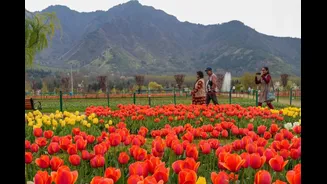
30 days of the 2026 spring season, the garden welcomed over 3.5 lakh visitors, a remarkable turnaround precisely one year after the devastating Pahalgam terror attack on April 22, 2025. This incident had plunged the region's tourism to near zero. The dramatic increase in footfall this year, with over 3.5 lakh visitors by mid-April 2026, including approximately 1,200 international tourists, demonstrates a powerful recovery. For context, the total tourist arrivals in Kashmir had plummeted to 9.16 lakh in 2025, a stark contrast to the 26 lakhs recorded in 2024, with 8.55 lakh visiting before the attack. The successful 2026 season, however, is a testament to the effective measures implemented to restore confidence and showcase Kashmir's enduring allure, proving that the garden is not just a tourist attraction but a catalyst for economic and emotional healing.
Rebuilding Trust and Safety
To counter the negative impact of the 2025 Pahalgam attack and rebuild visitor confidence, authorities implemented extensive new safety measures for the 2026 tulip season. These initiatives proved highly effective, making tourists feel secure and safe throughout their visit. Many visitors expressed pleasant surprise, stating that their preconceived notions of Kashmir were completely dispelled by their actual experiences. Beyond marveling at the region's natural beauty, tourists universally affirmed Kashmir's safety, encouraging others to visit without apprehension. They specifically lauded the authorities for the robust security arrangements in place. The presence of CRPF personnel at various locations, even extending guidance, and visible security measures observed late into the evening, as noted by a tourist from Mumbai, contributed significantly to this feeling of security. The comprehensive reopening of the garden and other major tourist spots followed thorough security assessments and increased personnel deployment, ensuring a secure environment for all.
A Floral Spectacle Unveiled
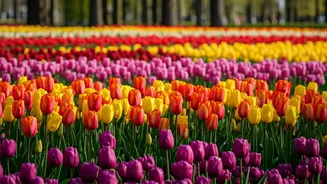
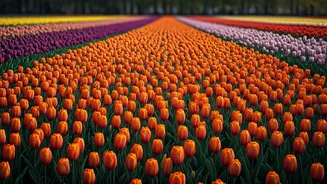
The 2026 Tulip Festival was a visual masterpiece, designed to captivate and draw visitors back to Kashmir. The garden showcased an impressive array of 18 lakh tulips, representing over 70 distinct varieties. Complementing the tulips were approximately 100,000 other vibrant bulbous flowers, including daffodils, hyacinths, and narcissus, creating a breathtaking landscape. To enhance the visitor experience and make it more engaging, several new attractions were introduced. These included dedicated 'selfie points' for memorable photo opportunities and cultural zones that highlighted local Kashmiri handicrafts, offering a glimpse into the region's rich artistic heritage. Furthermore, a substantial publicity campaign was orchestrated by the Jammu and Kashmir authorities, strategically promoting the region's revival and its appeal as a safe and beautiful destination, aiming to fully restore the glory of its tourism industry.
Beyond the Blooms
The success of the 2026 Tulip Show has been hailed by tourism stakeholders and the Jammu and Kashmir government as a critical positive stride towards rejuvenating Kashmir's tourism economy. During the peak bloom period, hotel occupancy across the valley reportedly reached an encouraging nearly 70%. While the total visitor numbers might have been lower than the exceptional figures of the previous year, the 2026 Tulip Show undeniably catalyzed a significant boost in tourism activity within the Kashmir region. It is viewed as an auspicious beginning to the current year's tourism season, fostering optimism for a higher overall tourist influx in 2026. To better accommodate this anticipated growth and provide a richer experience, several new and unique tourist destinations have been curated and added to the region's offerings, inviting visitors to explore even more of Kashmir's hidden treasures.