
Tiny House Revolution
The trend of embracing smaller living spaces has swept across the globe, emphasizing efficiency and sustainability. These miniature homes are a testament
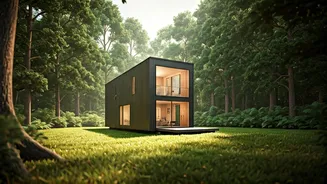
to the idea that less can be more, challenging conventional notions about the size required for comfortable living. The appeal of tiny houses lies in their ability to offer affordable housing, reduce environmental impact, and promote a simpler lifestyle. Architects and designers are continuously innovating, creating functional and aesthetically pleasing homes in remarkably small footprints. This revolution has led to a surge in creativity, prompting people to re-evaluate their needs and prioritize experiences over material possessions, ultimately fostering a more mindful approach to living.
Compact Comforts: Japan
Japan, known for its space constraints and innovative design, is home to several incredibly small houses that epitomize the tiny house movement. One such example is a multi-story home in Tokyo, ingeniously designed to fit into an extremely narrow plot. Its vertical layout maximizes the available space, with each level serving a specific function, from living areas to bedrooms. Another notable example incorporates traditional Japanese aesthetics with modern functionality, creating a serene and efficient living environment. These homes often feature minimalist interiors, integrated storage solutions, and large windows to create the illusion of spaciousness. The Japanese approach to tiny houses prioritizes maximizing every square inch through careful planning and multifunctional furniture, making them comfortable and stylish despite their size.
European Micro-Homes
Across Europe, particularly in densely populated cities, the concept of small-space living has gained significant traction. In Amsterdam, narrow canal houses, once primarily functional, have been reimagined into modern living spaces. These homes, often only a few meters wide, showcase creative use of space, with loft beds, pull-out furniture, and clever storage solutions. Similarly, in other European cities, architects and designers are converting old buildings into compact apartments and constructing entirely new, tiny homes. These dwellings frequently incorporate sustainable materials and energy-efficient designs, reflecting a commitment to environmental responsibility. They demonstrate that urban living does not necessitate large spaces, but instead, relies on innovative design to provide comfortable and stylish homes.
American Tiny Dwellings
In the United States, tiny homes have evolved into a cultural phenomenon, with a growing number of people embracing the minimalist lifestyle. These homes come in a variety of styles, from simple, portable tiny houses on wheels to more permanent, custom-built structures. Many Americans are drawn to the financial benefits, the reduced environmental footprint, and the chance to simplify their lives. Tiny homes in the US often incorporate repurposed materials, smart technology, and eco-friendly features. Communities and neighborhoods dedicated to tiny living are emerging across the country, fostering a sense of camaraderie and shared values. This movement reflects a desire for a simpler, more sustainable way of life that values experiences over material possessions.
Unusual Tiny Homes
Beyond typical residential structures, several unique and unusual homes around the world are redefining the concept of small-scale living. Some individuals live in repurposed shipping containers, converting them into comfortable and modern living spaces. These container homes are often mobile, enabling owners to easily relocate. Others reside in eco-friendly structures built with natural materials like earth or bamboo, which blend seamlessly with their surroundings. Another category includes compact, mobile homes designed for outdoor adventures, providing essential comforts in a very small footprint. These unconventional dwellings demonstrate the endless possibilities of designing compact living spaces, catering to diverse lifestyles and preferences, while also promoting sustainability and resourcefulness.
Maximizing Space Smartly
The key to successful tiny house living is strategic use of space, and designers utilize various techniques to make the most of limited areas. Multi-functional furniture, such as sofa beds, folding tables, and storage ottomans, are essential. Vertical space is also maximized through the use of loft beds, shelves, and built-in storage. Large windows and skylights are often incorporated to create a sense of openness and bring in natural light, making the space feel larger. The use of light colors and minimalist design principles also contributes to a more spacious feel. These design strategies are combined with meticulous planning to ensure that every element serves a purpose, promoting a comfortable and functional living environment within a small footprint.
Sustainability in Practice
Tiny homes are often designed with sustainability in mind, making them an environmentally responsible choice. The reduced size of these homes inherently minimizes the use of resources, including construction materials and energy consumption. Many tiny homes incorporate green building materials, such as reclaimed wood and recycled products. Renewable energy sources like solar panels and rainwater harvesting systems are commonly integrated, further reducing environmental impact. The focus on efficiency extends to water usage, with low-flow fixtures and composting toilets becoming increasingly common. By prioritizing sustainability, these tiny homes offer a model for environmentally conscious living, demonstrating that smaller living spaces can contribute significantly to a healthier planet.
Lifestyle & Minimalism
The tiny house movement fosters a shift towards minimalism and a simpler lifestyle. Living in a small space encourages individuals to declutter and prioritize their belongings, promoting a focus on experiences rather than possessions. This lifestyle often leads to a reduction in financial burdens, enabling people to pursue passions and travel more freely. The emphasis on community and connection, frequently found in tiny home communities, fosters a supportive environment where residents share resources and experiences. These residents tend to value experiences, relationships, and personal growth above the accumulation of material goods. Tiny house living thus facilitates a more mindful, intentional way of life, emphasizing quality of life over quantity of space or possessions.
Challenges & Considerations
Despite their many benefits, tiny houses come with certain challenges. Zoning regulations and building codes can sometimes restrict or complicate the construction and placement of tiny homes, varying greatly by location. The limited space requires careful planning and a disciplined approach to decluttering. Finding appropriate land or parking locations can also be challenging. Additionally, ensuring comfortable living conditions in extreme climates may require careful design and energy-efficient systems. Despite these challenges, many people find that the benefits of tiny house living—reduced expenses, environmental sustainability, and a simplified lifestyle—outweigh the difficulties. Careful research and planning are crucial to overcome these hurdles and fully enjoy the advantages of a smaller living space.
Future of Tiny Homes
The tiny house movement is expected to grow, adapting to evolving housing demands and sustainability goals. As awareness of environmental and financial benefits rises, more individuals will likely embrace this lifestyle. Innovations in building materials and technologies, such as 3D printing and prefabricated modules, will simplify construction and improve affordability. Governmental policies may become more supportive of tiny homes, addressing zoning issues and creating dedicated communities. The evolution of tiny houses will likely continue to reflect a broader societal shift towards sustainable living. Ultimately, the future of tiny homes promises a variety of new designs and lifestyles, and is set to continue redefining the concept of comfortable living in a rapidly changing world.