





Core Strength Foundation
In a world increasingly focused on aesthetics, Shilpa Shetty highlights a crucial aspect of fitness: the interplay between strength and control. Her supine
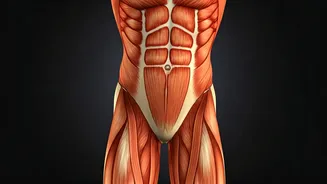
contralateral stability drill serves as a powerful reminder that true physical prowess lies not just in brute force, but in the ability to manage and direct that power effectively. This specific exercise intensely challenges your core stability, demanding that your abdominal muscles work in unison to stabilize your trunk. Simultaneously, it requires significant engagement of the inner thigh muscles, also known as the adductors, which play a vital role in maintaining balance and preventing the knees from collapsing inwards. The drill's contralateral nature – meaning opposite limbs are active simultaneously – further enhances neuromuscular coordination, forcing your brain and muscles to communicate efficiently. This intricate interplay is essential for maintaining precise pelvic control, a foundational element for almost all movements, from walking and running to more complex athletic endeavors. By focusing on these integrated systems, the drill promises not only a stronger core and more engaged inner thighs but also a significant improvement in overall body awareness and functional movement patterns, crucial for both daily life and athletic performance.
Sedentary Lifestyle Risks
The modern lifestyle, often characterized by prolonged sitting and limited physical activity, poses significant health risks that extend far beyond mere weight gain. Dr. Rakesh Nair, a consultant knee replacement surgeon, emphasizes that such sedentary habits can dramatically increase the likelihood of developing serious cardiovascular diseases, obesity, and hypertension. Furthermore, hormonal imbalances, a sluggish metabolism, and poor blood circulation can become chronic issues, contributing to a general decline in bodily function. The implications are dire, as obesity, a common consequence, can trigger a cascade of other health problems, including sleep apnea, debilitating joint pain, and even increase the risk of stroke. For individuals chained to desk jobs, the lack of movement directly impacts spinal health, potentially leading to conditions like cervical spondylitis, disc damage, a stiff spine, and chronic shoulder pain and soreness. This underscores the critical need for targeted exercises that counteract the detrimental effects of inactivity and promote long-term well-being.
Posture and Joint Health
Shilpa Shetty's stability drill is more than just an exercise; it's a key to unlocking better posture and maintaining the health of your joints, especially the hip and knee. Personal fitness trainer Deepika Sharma explains that the drill provides essential support to the hip joint, ensuring its stability during dynamic activities like walking and running. Weakness in the inner thigh muscles is a common culprit behind knee instability, often leading to them caving inwards. This misalignment can significantly increase the risk of ligament sprains and various overuse injuries. By strengthening these often-neglected inner thigh muscles, the drill helps maintain proper pelvic alignment. This, in turn, alleviates undue pressure on the lower back, a frequent source of discomfort for many. The benefits extend to aesthetic improvements as well, contributing to better leg definition and overall muscle balance, ultimately leading to leaner and more sculpted thighs. This holistic approach ensures that your lower body functions optimally, promoting both athletic capability and everyday comfort.
Long-Term Functional Fitness
Integrating structured leg workouts, like Shilpa Shetty's stability drill, into your weekly fitness routine is a proactive step towards a higher quality of life. This approach transcends superficial fitness goals, focusing instead on preserving crucial physical functions that allow for independence and resilience as we age. By strengthening the core, inner thighs, and pelvic muscles, you're not just building muscle; you're investing in your ability to move with ease, maintain balance, and perform daily activities without pain or limitation. This focus on functional fitness is paramount, serving as a constant reminder that exercise is fundamentally about maintaining your body's ability to perform essential tasks, rather than solely about achieving a particular physique. Such consistent effort contributes significantly to long-term mobility, a healthy range of motion across your joints, and the overall robustness of your musculoskeletal system, ensuring you can enjoy an active and fulfilling life for years to come.