







Court's Directive Issued
The Supreme Court delivered a decisive order on Monday concerning the electoral rolls of West Bengal. The court specifically instructed the Election Commission
to make available the names of about 1.25 crore voters. These particular voter entries had been marked for 'logical discrepancies'. This action occurred during the ongoing Special Intensive Revision (SIR) of the electoral rolls. The court's directive is a clear step towards ensuring greater transparency and accountability within the election process. The release of this information is expected to allow for public scrutiny and verification, thus potentially reducing any doubts or concerns related to voter registration.
Voter List Details
The order centers around a significant number of voters. Approximately 1.25 crore voters in West Bengal are directly affected by this directive. Their names are to be published due to 'logical discrepancies' identified during the SIR. The Special Intensive Revision is a thorough review process. It is designed to meticulously examine and verify voter information, ensuring the accuracy of the electoral rolls. The Court's order suggests a proactive approach to address any inconsistencies or potential issues identified during this review. The goal is to ensure that the electoral rolls are as accurate and reliable as possible, supporting a fair and transparent election.
Election Commission's Role
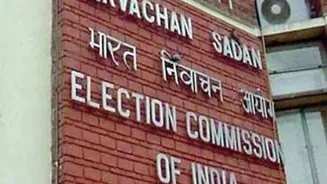
The Election Commission of India now has a vital role to play following this Supreme Court order. The Commission must publicly release the names of the flagged voters, fulfilling the court's direction. This requirement places a clear responsibility on the Election Commission to act swiftly and efficiently. This will likely require them to establish a mechanism for making the voter information easily accessible to the public. The prompt release of this data underlines the importance of transparency in elections. This is a crucial step towards building confidence in the electoral system and ensuring it operates with integrity. The public now has a right to view and scrutinize this information.
Impact and Transparency
The overarching goal of the court's decision is to enhance transparency in the electoral process. By publishing the names flagged with discrepancies, the court is inviting public scrutiny and empowering citizens. This promotes accountability within the system. Releasing this information enables voters and political parties to verify the accuracy of the rolls and raise any concerns. This open approach can strengthen the integrity of the elections and give voters more faith in the overall system. The focus on transparency reveals a dedication to ensuring a fair and trustworthy election environment. Ultimately, this transparency helps to build trust and strengthen the foundations of democracy in the region.