


A Taste of Bengal
A delegation of American students, actively engaged in a gastronomic exploration of India, recently had the privilege of experiencing the profound culinary
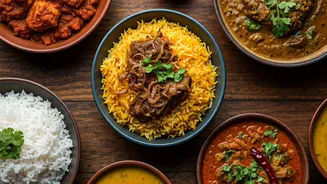
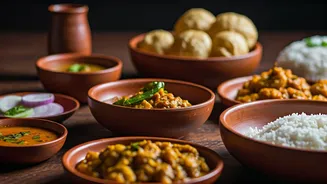
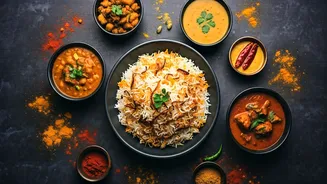
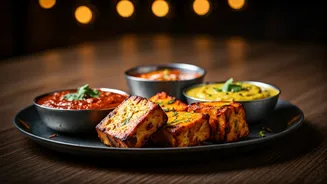
heritage of Bengal. These students, participating in a specialized program focused on food and cultural immersion, were presented with an authentic Bengali meal that profoundly impressed them, leaving a desire for more. The curated menu showcased quintessential Bengali preparations, such as posto bora, which are fritters made from poppy seeds, shorshe potol, a dish featuring pointed gourd simmered in a zesty mustard gravy, and chingri malaikari, a creamy prawn curry prepared with coconut milk. While initially unacquainted with the distinctive palates and components of Bengali cooking, the students rapidly developed an appreciation for its subtle complexities. One student, Sarah, remarked on the uniqueness of the cuisine, highlighting the characteristic notes imparted by mustard oil and poppy seeds, and found the potol dish surprisingly delightful, with the posto bora being a particular revelation.
Culinary Exchange & Cultural Insights
The traditional Bengali feast was meticulously prepared by local culinary experts who also illuminated the historical importance of each dish, alongside the age-old techniques employed in their preparation. This interaction provided the students with an invaluable opportunity to engage directly with the chefs, gaining insights into the deep-seated cultural relevance of food within Bengali society. Chef Anjan Chatterjee, responsible for curating the meal, emphasized that the objective was to provide the students with an authentic Bengali experience, focusing on classic recipes that celebrate the fresh, seasonal ingredients for which Bengal is renowned. The enthusiastic reception of the Bengali spread by the students served as a testament to the universal appeal of expertly crafted, flavorful food. This immersive experience not only broadened their culinary perspectives but also fostered a more profound comprehension of Bengali culture and its enduring traditions, serving as a bridge between diverse cultural landscapes through the shared language of food.
From CIA to Kolkata Kitchens
Students from the esteemed Culinary Institute of America (CIA) in New York recently stepped into an unconventional educational setting, trading their usual classrooms for a hands-on introduction to the distinctive elements of Bengali cuisine. This immersive experience, organized as part of their India Immersion tour, exposed them to fundamental Bengali ingredients and cooking styles, including the robust aroma of mustard oil, the complex layering of roasted spices, and the comforting nature of slow-cooked dishes. The students learned to prepare specific Bengali dishes, such as Doodh Potol, where pointed gourd is gently cooked in a milk-based gravy, and Betki Paturi, a preparation involving steamed Betki fish wrapped in banana leaves. The educational journey extended beyond mere recipe following; it involved an exploration of Bengal's history, including the partition and the subsequent divergence of East Bengali (Baangal) and West Bengali (Ghoti) cuisines, and how geographical influences shape culinary practices, the selection of spices, cooking mediums, and unique ingredients. The students' willingness to engage with unfamiliar ingredients, like the pungent mustard oil or the rich ghee, and vegetables such as potol (pointed gourd), was particularly noted.
Embracing New Flavors
The culinary engagement saw the American students enthusiastically tackling a variety of traditional Bengali dishes. They learned to prepare Aloo Posto, a humble yet flavorful dish of potatoes in a poppy seed paste, and Doodh Potol. Saag Begun, a sauté of spinach and brinjal, and Tauk Dal, a tangy lentil preparation often enhanced with green mango, were also part of the learning. The students experienced making Betki Paturi and a sweet tomato chutney, followed by more elaborate curries like Kosha Maangsho (a slow-cooked mutton curry) and Shorshe Phulkopi (cauliflower florets in a mustard sauce). To conclude the meal, beloved Bengali desserts were savored. What truly impressed the hosts was the students' open-mindedness and lack of pretension when trying new ingredients. Despite dietary considerations, such as lactose intolerance, prawn allergies, or a dislike for mustard, none of the students complained. They embraced the experience wholeheartedly, consuming dishes like luchis with an eagerness that suggested deep familiarity. This willingness to step outside their comfort zones and embrace diverse tastes exemplifies the spirit of cultural exchange.