
Growth Beyond Metros
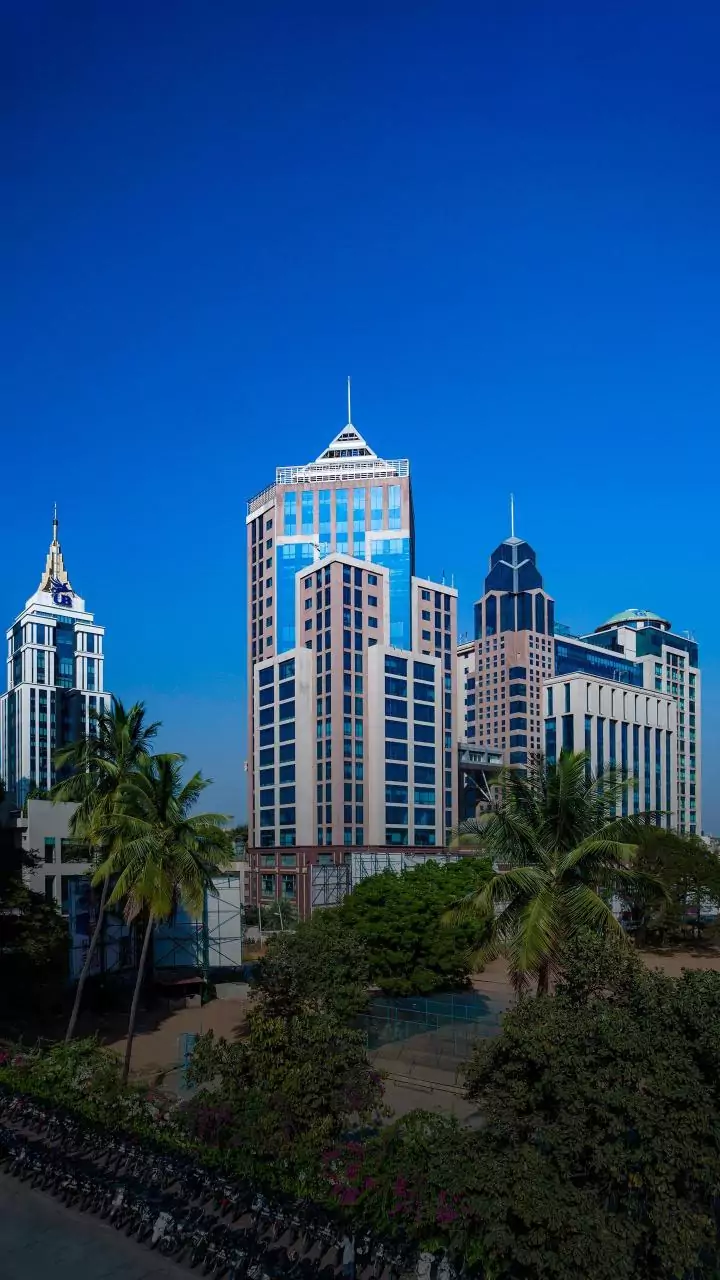
India's economic narrative is expanding beyond its major metropolitan areas, with Tier 2 and Tier 3 cities emerging as dynamic centers of growth. This
shift is primarily fueled by a surge in spiritual tourism, improved infrastructure like roads, airports, and railways, which facilitates greater accessibility. These improvements have collectively stimulated demand for various sectors, including hotels, retail, and housing, leading to significant increases in land values, with some regions witnessing annual growth rates of up to 20%. The government's focus on these cities, highlighted in the Union Budget 2026, underscores the importance of this trend and its potential for long-term economic impact.
Spotlight on Cities
Several cities are at the forefront of this growth wave. Lucknow has witnessed a surge in housing demand due to metro expansion and new residential projects. Coimbatore is benefiting from its strong industrial base, with new corridors and manufacturing activities supporting real estate development. Visakhapatnam is attracting attention with major infrastructure projects, including the upcoming Bhogapuram Airport, while IT hubs in Madhurawada are drawing professionals. Nagpur is experiencing interest due to the Samruddhi Expressway and related developments, which have increased land values. Bhubaneswar continues to advance with smart city projects and planned economic zones. Kochi and Mysuru are becoming startup hubs, attracting migration for job opportunities. Bhopal has also seen benefits from infrastructure spending and the expansion of MSMEs.
Government Support Initiatives
The government is actively supporting this growth by collaborating with professional institutions like the Institute of Chartered Accountants of India (ICAI), the Institute of Company Secretaries of India (ICSI), and the Institute of Cost Accountants of India (ICMAI). These institutions will design short-term, modular courses tailored for young professionals. The Finance Minister emphasized the creation of 'corporate mitras' in smaller cities, which are trained paraprofessionals to assist MSMEs in meeting compliance requirements affordably. These initiatives aim to provide the necessary support to ensure businesses flourish and contribute to sustained economic expansion across these burgeoning cities.
Temple Towns as Drivers
Temple towns are key drivers in the economic transformation. Ayodhya stands as a prime example, with the Ram Mandir project attracting investments worth approximately Rs 850 billion, alongside new airport and highway projects, which generated over 20,000 jobs. This development led to a real estate and hospitality boom. Varanasi has also seen significant changes due to upgrades around the Kashi Vishwanath corridor, attracting more visitors than Goa, and increasing property prices by nearly 17%. Tirupati is another significant beneficiary, fueled by the Balaji Temple and associated developments, experiencing growth in hotels and retail. Puri also sees real estate growth, supported by policy measures and improved infrastructure. Amritsar, anchored by the Golden Temple, has seen land price increases due to developer acquisitions and retail and hospitality activity.
More Growth Hotspots
Several other cities are experiencing considerable growth. Indore is regarded as one of the fastest-growing Tier 2 cities, recognized for its waste management systems and urban planning, plus rising office spaces. Real estate demand has steadily risen here over recent years. Jaipur also exhibits strong growth because of new ring road projects, with housing sales significantly increasing by at least 25%, further boosted by tourism. These cities collectively demonstrate the widespread positive impact of government initiatives and investment in infrastructure, which promotes economic expansion across India's smaller cities, creating a diversified and robust economic landscape.