





The Myth of Pricey Water
The internet buzzes with tales of incredibly expensive water, with some claims reaching a staggering ₹50 lakh per bottle. This phenomenon captures imaginations,
blurring the lines between necessity and extreme luxury. While social media thrives on sensationalism, fueling fascination with the opulent lifestyles of the ultra-rich, the reality behind such extravagant claims is often a complex interplay of art, branding, and perceived value. These viral narratives, frequently shared without full context, can quickly transform speculation into widely accepted 'facts,' feeding a public appetite for the extraordinary and the aspirational. The fascination stems from the idea that even something as fundamental as water can be elevated into an exclusive symbol of wealth and status, pushing the boundaries of what we consider a basic commodity.
Artistry in a Bottle
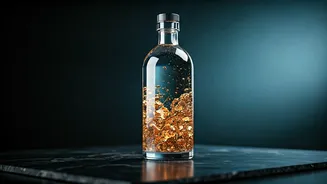
At the pinnacle of luxury hydration sits Acqua di Cristallo Tributo a Modigliani, a creation that shatters conventional notions of what water can be. This particular bottle holds the Guinness World Record for the most expensive water ever sold, fetching nearly ₹50 lakh for a mere 750ml. However, to simply call it 'water' feels inadequate; it functions more as a collectible artifact, designed for display in galleries or secure vaults rather than for everyday consumption. The genius of this product lies in its artistic conception, a tribute to the renowned Italian artist Amedeo Modigliani. The bottle's distinctive, elongated form draws inspiration from Modigliani’s iconic artistic style, particularly his celebrated "Head of a Woman" sculpture, masterfully blending fine art with product design to create a compelling conversation piece and a testament to creative fusion.
Exclusivity and Sourcing
Every facet of this luxury water vessel exudes an aura of unparalleled exclusivity. Each bottle is meticulously handcrafted, and its exterior is adorned with 24-carat solid gold, ensuring that no two pieces are precisely alike. For those seeking a slightly more attainable luxury, the brand also offers variations crafted from silver, matte gold, and crystal. Nevertheless, even these "entry-level" versions command prices comparable to high-end electronics or fine jewelry, reinforcing the notion that this is far from a mass-produced item; it is an unambiguous statement of identity and prestige. The water within is an artfully blended concoction sourced from three globally recognized locations: Fiji, France, and Iceland. This meticulous selection process combines the purity of tropical springs, the rich mineral profiles of European waters, and the pristine freshness of glacial meltwater, creating a truly global fusion that symbolizes nature's finest offerings from across the planet.
The Allure of Golden Dust
What truly distinguishes this exclusive beverage is the incorporation of 5 milligrams of 23-carat gold dust. While manufacturers propose that this adds to alkalinity and promotes vitality, its primary appeal lies in its profound symbolism. The act of consuming gold transcends mere health benefits; it serves as an unmistakable declaration of immense wealth, unbridled indulgence, and the desire to possess something exceptionally rare, attainable by only a select few worldwide. This opulent characteristic transforms the water from a simple beverage into a potent symbol of status and extravagance, making it a focal point of conversation and admiration among those who can afford such luxuries. It represents the ultimate embodiment of luxury as an art form, where value is intrinsically linked to rarity and symbolic meaning.
Debunking Viral Misinformation
The narrative surrounding this golden water gained significant traction in India, particularly after a viral image purported to show the owner of the Mumbai Indians team holding the expensive bottle during an Indian Premier League match. However, a closer examination reveals this to be a fabricated story. The original photograph, dating back to 2015, depicted a common disposable plastic water bottle. Through digital manipulation, this image was altered to incorporate the luxury bottle, creating a compelling but false narrative that rapidly spread across social media platforms. This incident serves as a striking example of how easily misinformation can be disseminated and how effectively it can shape public perception, highlighting the importance of critically evaluating viral content and verifying information before accepting it as fact.
More Than Just a Drink
Despite its astronomical price tag, this 'Golden Water' is not intended for casual, everyday consumption. One of its most notable public appearances was at a 2010 auction, where it was sold for $60,000, with all proceeds dedicated to environmental conservation efforts. This context reveals its true nature: it is less a beverage for daily refreshment and more a highly coveted collector's item and a philanthropic statement. In a world increasingly driven by aspiration, compelling narratives, and the desire for unique experiences, this exquisite product stands as powerful evidence that even the most fundamental elements of life can be reimagined and transformed into extraordinary works of art. It signifies a new frontier in luxury where the value is derived from artistic expression, exclusivity, and the story it tells, rather than its functional utility.