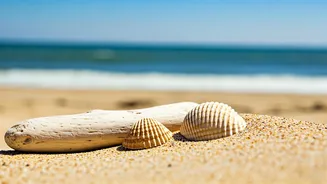








The Case of Seashells
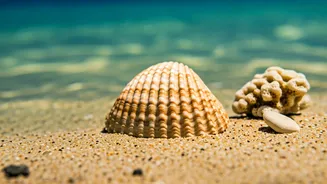
While an empty seashell might appear to be a free souvenir, its presence on the beach serves vital ecological functions. These shells act as essential
homes for marine invertebrates like hermit crabs, providing shelter and a place to grow. Furthermore, as shells degrade over time, they contribute significantly to the natural formation of sand, reinforcing shorelines and offering protection against erosion. Many nations and protected coastal regions have enacted laws prohibiting the removal of shells, particularly in large volumes, to preserve these delicate habitats. Even in areas without explicit bans, the cumulative impact of tourist collection can disrupt the delicate balance of the marine environment. Therefore, for lasting memories, it's far better to capture the beauty through photographs rather than removing shells from their natural setting.
The Sands of Trouble
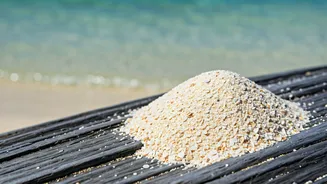
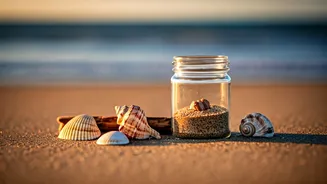
The notion of collecting a small vial of sand as a memento seems harmless enough. However, when this practice is multiplied by millions of visitors, the cumulative effect can lead to substantial sand depletion on beaches worldwide. Some popular tourist destinations, including certain regions in Italy and parts of Hawaii, have implemented strict regulations against sand removal, imposing considerable fines for offenders. Beyond the aesthetic loss, sand plays a critical role in supporting microscopic marine life and is integral to the natural processes that regulate coastal erosion. Instead of taking sand, consider purchasing locally crafted souvenirs that not only serve as a lasting reminder of your trip but also support local economies without harming the environment.
Coral: A Priceless Piece
Taking any form of coral, whether living or dead, from a beach or reef is strictly prohibited and highly detrimental. Coral reefs are among the planet's most fragile and biodiverse ecosystems, providing critical habitats for countless marine species and acting as natural barriers that shield coastlines from the damaging effects of erosion. Even fragmented pieces of coral play a crucial role in the ongoing regeneration of these underwater structures. Many countries have made the removal of coral illegal, with penalties ranging from confiscation of goods to substantial fines, especially when detected at airport customs. While coral jewelry might be available for purchase, it's imperative to ascertain its legal sourcing and certification; however, the most responsible approach is to refrain from buying it altogether, thereby discouraging its removal from natural habitats.
Marine Life Keepsakes
The sight of dried starfish, seahorses, or other preserved marine creatures sold as souvenirs can be tempting. However, purchasing these items inadvertently fuels the harmful harvesting of marine populations, leading to their decline. For instance, starfish are integral to maintaining the health and balance of reef ecosystems. Their removal, irrespective of whether they are collected alive or dead, disrupts these complex ecological relationships. Supporting the trade of such items can have devastating consequences for marine biodiversity. It is vital to recognize that these creatures are part of a living system and should remain undisturbed in their natural environment.
Coastal Flora's Role
While driftwood might appear to be an attractive decorative item, it serves a crucial purpose in coastal environments, offering shelter and habitat for various species. Similarly, the native plants found along beaches are instrumental in stabilizing sand dunes, preventing erosion, and maintaining the integrity of the coastline. Removing these natural elements can significantly weaken already vulnerable coastal systems, particularly in areas susceptible to the impacts of storms and climate change. These components are integral to the beach landscape and contribute to its overall health and resilience. Therefore, it's essential to leave them where they are found, respecting their inherent ecological value.