
Trump's Stance Evolved
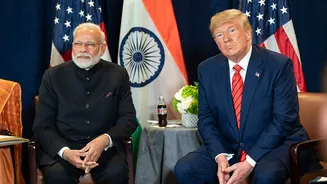
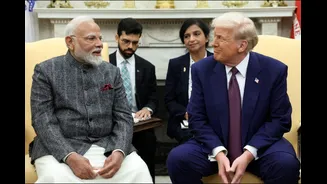
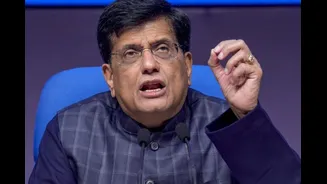
Former President Donald Trump, during a recent statement, didn't mince words when addressing India's trade dealings with Russia. He expressed that he might
consider increasing tariffs on Indian products if India continues its significant oil purchases from Russia. This statement reflects a shift in approach, as the U.S. has previously taken a more nuanced stance on India's position. The warning came as part of his broader commentary on international trade and global economic relations, particularly concerning countries that maintain trade relations with Russia. His comments underscored the potential economic consequences for countries engaging in trade that may not align with U.S. foreign policy objectives, especially in the context of the ongoing conflict in Ukraine. Trump's comments have spurred debate, with many international trade experts considering the implications of such actions and how these actions could affect the global economic landscape.
India's Oil Strategy
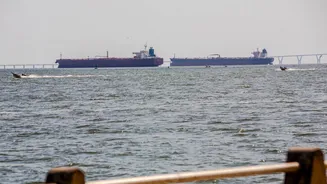
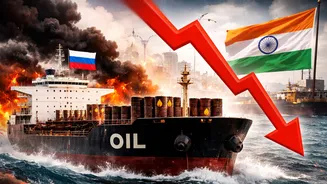
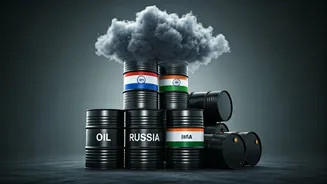
India's approach to oil imports has become a critical area of global focus. With significant economic growth and energy needs, India has strategically increased its purchases of discounted Russian oil. This move has allowed India to secure essential energy resources at favorable prices. This has led to concerns from Western countries that have imposed sanctions on Russia in response to the conflict in Ukraine. Despite the international pressure, India has continued its policy, prioritizing its domestic energy security. This strategy, though economically beneficial, brings India into the crosshairs of geopolitical tensions and potential trade disputes. The Indian government has maintained its position, emphasizing the importance of meeting its population's energy needs and its right to determine its trading partners. The country is likely to continue navigating this complex situation by balancing economic interests with geopolitical realities.
Tariffs' Potential Impact
The possibility of increased tariffs, as suggested by Donald Trump, presents a significant risk to the Indian economy. The imposition of higher tariffs could impact various sectors in India. Such measures could lead to increased costs for Indian exporters. This would make Indian products less competitive in the American market. Reduced exports would negatively impact economic growth and potentially affect jobs within India. The Indian government is likely preparing for different scenarios. It is strategizing to mitigate potential impacts and safeguard its economic interests. This includes diplomatic efforts, exploring alternative trade routes, and strengthening economic ties with other countries. The situation could necessitate policy adjustments to ensure economic resilience and maintain robust trade relations despite the challenges.
Global Trade Implications
The trade implications of this situation extend far beyond India and the United States. Trump's warnings underscore the interconnectedness of global trade and how political decisions can affect economic relationships. Other nations observing the situation will likely assess their own trading strategies, particularly in regions experiencing political instability. The incident highlights the vulnerability of countries dependent on single-source trading partners. It may motivate nations to diversify their trading partnerships to minimize risk. Trade organizations and international bodies will also likely analyze the situation. They will assess the potential disruption to global markets and the need for international cooperation to address trade disputes. This event is a clear illustration of how political tensions can have wide-ranging effects on the economy and international commerce.