






Traditional Heat Defense
Jyotiraditya Scindia, a Lok Sabha MP, advocates for time-tested Indian strategies to stay comfortable amidst intense heatwaves, opting against modern cooling
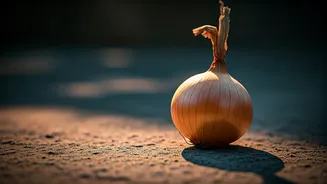
systems. He shared his approach, which involves eschewing air-conditioned environments and car interiors, even when temperatures soar to 51 degrees Celsius. Scindia playfully referred to the resilience needed in such conditions as 'Chambal skin,' hinting at the robust nature developed in the region. He emphasized that despite appearing youthful, his perspective draws from deep-rooted wisdom. His unique advice to a gathering in Shivpuri, Madhya Pradesh, included carrying an onion in one's pocket, a practice he described as an age-old remedy, and taking time for spiritual reflection by invoking the divine name. This holistic approach, he suggests, is vital, especially as traditional knowledge, particularly from Ayurveda, gains renewed appreciation in contemporary times.
The Onion Efficacy Myth
The belief in onions possessing potent cooling properties during summer is largely rooted in tradition rather than definitive scientific evidence. While onions do contain a significant amount of water and some potassium, contributing to hydration, they are not a substitute for scientifically recommended rehydration methods. When considering electrolyte replenishment, options like Oral Rehydration Solution (ORS), coconut water, or even plain water are far more effective than onions. The notion that consuming raw onions provides a substantial cooling effect is more of a folk remedy passed down through generations. Therefore, while an onion might offer a marginal contribution to water intake, its actual impact on combating severe heat is primarily anecdotal and cultural.
Modern Heat Management
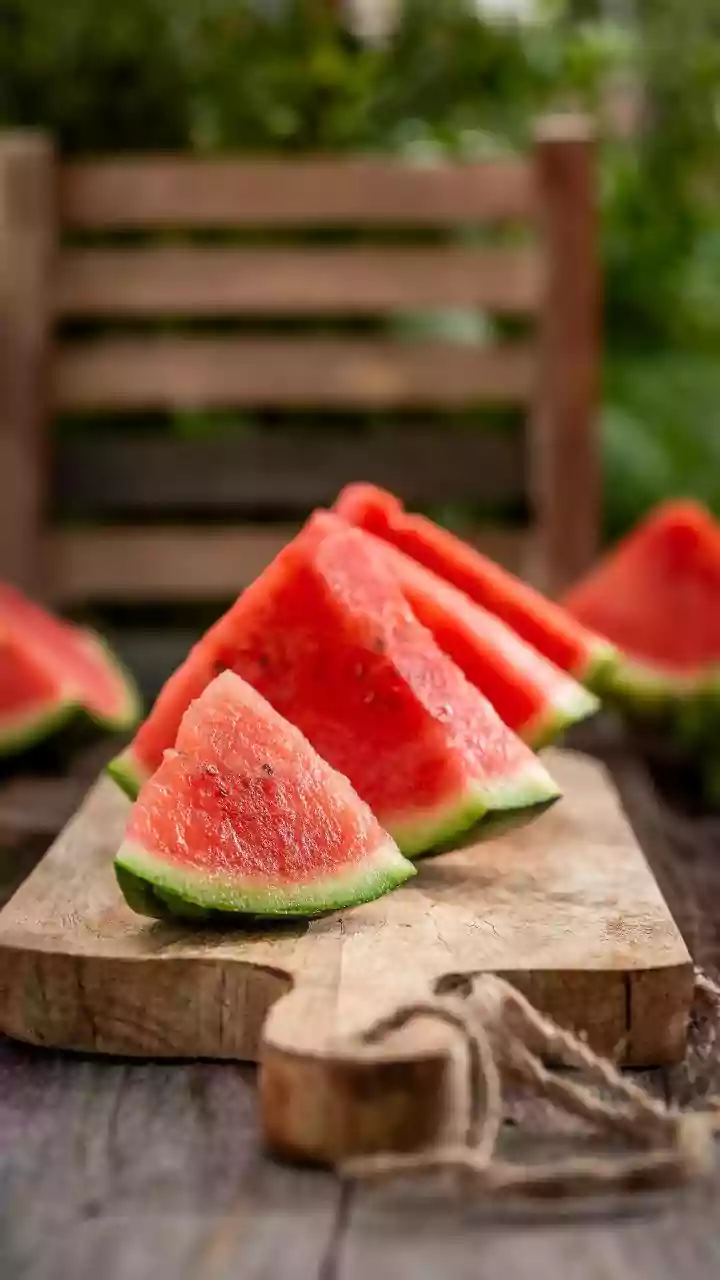
In the face of widespread heatwaves, with temperatures frequently ranging between 40 and 45 degrees Celsius across India, proactive measures are crucial. The India Meteorological Department (IMD) has issued warnings indicating the persistence of heatwave conditions in Northwest and Central India until April 28. States like Punjab, Haryana, Delhi, Rajasthan, and Uttar Pradesh are projected to experience the most severe effects. Central Indian regions, including Madhya Pradesh, Chhattisgarh, and Vidarbha, are also grappling with extreme heat. While some localized relief might be anticipated this week, preparedness remains key. Essential strategies include consistent hydration – drinking water regularly without waiting for thirst – and utilizing ORS or electrolyte drinks when necessary. Seeking shade, staying in cooler indoor environments, and wearing loose, light-colored clothing are also vital. Incorporating water-rich foods such as watermelon and cucumber into the diet can further aid in maintaining body temperature.