






Fearful Potassium Avoidance
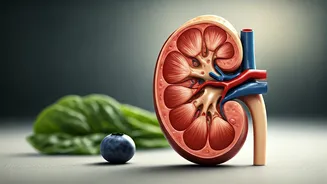
Many individuals with kidney concerns mistakenly believe they must cut out potassium-rich vegetables due to fear of high levels. This often includes staples
like potatoes, tomatoes, spinach, sweet potatoes, beans, and bananas. However, a kidney specialist cautions that if your potassium levels are within the normal range, this drastic restriction can be detrimental. These very foods are vital sources of essential nutrients such as fiber, magnesium, folate, and antioxidants, all crucial for overall well-being. Eliminating them can negatively impact blood pressure control, gut health, and cardiovascular function, which are intrinsically linked to kidney health. For individuals with healthy kidneys, these nutrient-dense vegetables are not harmful but rather protective, contributing to a robust internal environment.
Misguided Plant-Based Beliefs
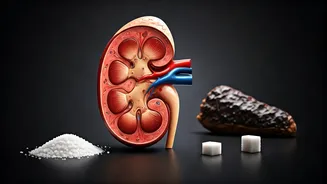
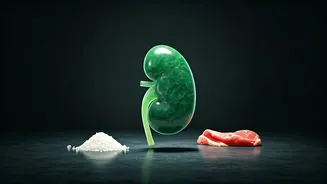
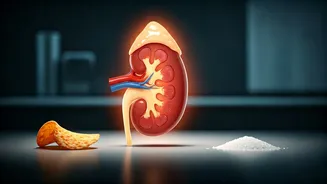
The label 'plant-based' can be misleading, as not all plant-derived foods are inherently beneficial for kidney health. Many items marketed as vegan or plant-based, such as mock meats, vegan cheeses, and pre-packaged snacks, fall into the category of ultra-processed foods. These products frequently contain high levels of sodium, phosphorus additives, and artificial preservatives. According to experts, excessive sodium intake can exacerbate high blood pressure and proteinuria, while added phosphorus can place a strain on the kidneys, potentially causing damage before visible signs appear on lab reports. Therefore, the origin of the food is critical; a 'plant-based' meal originating from a factory processing plant is not automatically kidney-safe.
Risky Protein Overload
High-protein diets are often promoted as a universal health solution, but this approach requires careful consideration, especially for individuals with kidney issues. For those with healthy kidneys, a daily protein intake of 1.0–1.2 grams per kilogram of body weight is generally considered safe and necessary. However, excessively increasing protein consumption, particularly through supplements, powders, or large quantities of red meat, can pose significant risks for individuals with undiagnosed chronic kidney disease. This elevated protein load can intensify pressure within the glomeruli and increase the kidneys' workload, potentially accelerating damage in compromised kidney structures.
The Pitfalls of Skipping Meals
When navigating the complexities of managing a health condition, particularly one that feels overwhelming, skipping meals might appear to be a simpler solution than trying to adhere to strict dietary guidelines. However, this strategy can inadvertently create a host of new health problems. Frequent meal skipping can lead to significant dehydration, episodes of low blood pressure, and muscle wasting. Dehydration impairs blood flow to the kidneys, while fluctuations in blood sugar and blood pressure can worsen key risk factors for kidney damage. Maintaining a consistent pattern of regular, balanced meals is essential for ensuring stable kidney perfusion and optimal metabolic function.
Dietary Prescription Fallacy
A common misconception is that healthcare providers will furnish patients with a precise, all-encompassing diet chart for managing kidney health. In reality, kidney nutrition is far from a one-size-fits-all prescription. It is a dynamic process that must be tailored to an individual's specific laboratory results, current medications, and the progression stage of their kidney disease. Relying solely on generic dietary recommendations can lead to overly restrictive eating patterns, nutritional deficiencies, or overlooked warning signs. Effective kidney care involves a collaborative partnership between the patient and their healthcare team, rather than passively awaiting a definitive diet plan.