





Introduction to Sooji
Sooji, also known as semolina, is a versatile ingredient derived from durum wheat. It is a staple in many Indian households and is used to create a variety
of dishes, especially for breakfast. The appeal of sooji lies in its ability to absorb flavors and its adaptability to different cooking styles. The grain's coarse texture gives dishes a unique mouthfeel, making it a favorite for many people. Its nutritional benefits, including fiber and essential nutrients, add to its popularity. It’s a base for countless morning meals.
Classic Upma Delight
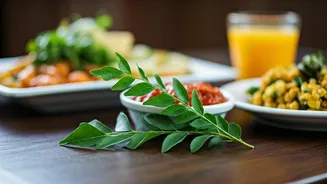
Upma is arguably the most recognizable sooji dish. The preparation usually involves dry-roasting the sooji to enhance its flavor, followed by tempering spices like mustard seeds, curry leaves, and chilies in oil. Vegetables like onions, carrots, and peas are often added for texture and taste. The roasted sooji is then combined with the sautéed vegetables and water, allowing it to cook and absorb the flavors. Garnishing with fresh coriander and a squeeze of lime juice is a common finishing touch, giving a burst of freshness to the savory dish. Upma is a quick and filling breakfast choice.
Flavorful Sooji Uttapam
Sooji uttapam offers a creative twist to the traditional South Indian dish, replacing rice batter with a semolina base. The batter for sooji uttapam typically consists of sooji, curd (yogurt), and water, which is then fermented for a short duration. The batter is poured onto a hot griddle, and various toppings like finely chopped onions, tomatoes, and chilies are added. The uttapam is cooked until it turns golden brown and crispy on the edges. Served with coconut chutney and sambar, sooji uttapam presents a lighter, more textured alternative to the classic version, ideal for breakfast.
Sooji Rava Dosa
Rava dosa is a popular South Indian breakfast that uses sooji as a primary ingredient in its crispy and lacy batter. The batter is prepared using sooji, rice flour, and spices like cumin and green chilies. The batter is then thinned out with water to achieve the desired consistency. The batter is poured onto a hot griddle in a circular motion, creating a thin, crispy crepe. The dosa is typically served with chutney and sambar and is a quick and satisfying breakfast option.
Sweet Sooji Halwa
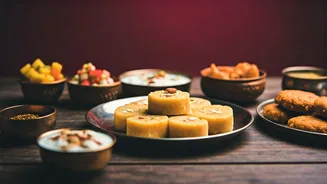
Sooji halwa, a sweet and rich dish, is often eaten during celebrations or as a comforting dessert. The process involves roasting sooji in ghee until it turns golden brown, enhancing its nutty flavor. Sugar, water, and cardamom are combined, then added to the roasted sooji. Nuts, such as cashews and raisins, are added. The halwa simmers until the liquid is absorbed and the mixture thickens. The final result is a warm, aromatic dessert. It's often garnished with more nuts, creating a perfect balance of textures and sweetness.
Sooji Kesari Bath
Kesari bath, also known as sweet sooji, is a vibrant and flavorful breakfast dish that's a variation of the sooji halwa. The preparation starts with dry-roasting sooji with ghee to give it a rich aroma. Saffron strands are infused in hot water or milk, adding color and flavor. The sooji is then cooked with sugar and the saffron-infused liquid until it reaches a pudding-like consistency. Garnishing with roasted nuts and cardamom powder adds to the taste. Kesari bath is a colorful, sweet breakfast, favored for its simple yet delightful taste.
Sooji Idli Variation
Sooji idli offers a quick alternative to the traditional fermented rice and lentil idli. It’s prepared with sooji, yogurt, and spices. The mixture is steamed to create fluffy idlis. Compared to traditional idlis, sooji idlis require no fermentation, making them a faster breakfast choice. These can be served with sambar and chutney, offering the familiar taste and textures of idli, but with the ease of a quicker preparation.
Sooji Vegetable Poha
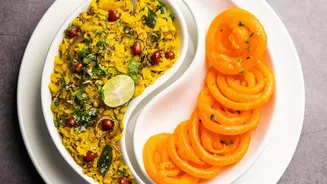
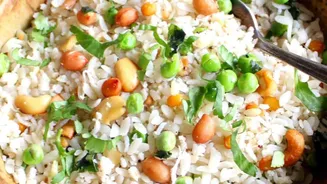
This variation combines sooji with the essence of poha. Sooji is cooked like poha, sautéing vegetables such as onions, potatoes, and peas. The sooji is combined with the tempered spices and vegetables. This version is seasoned with the flavors of poha. Garnishing with coriander and a squeeze of lemon juice adds freshness, providing a unique texture and flavor. This fusion breakfast delivers a balanced and wholesome start to the day, blending the ease of sooji with the familiar taste of poha.
Sooji Porridge Delight
Sooji porridge offers a simple, comforting breakfast, customizable with a variety of flavors and toppings. The sooji is cooked with milk or water, along with sugar or other sweeteners, creating a creamy base. For added nutrition and taste, fruits, nuts, and spices such as cinnamon or cardamom can be incorporated. It's especially useful for making a quick and nutritious breakfast, accommodating personal tastes, and providing a comforting start to the day.
Sooji Cutlets
Sooji cutlets provide a savory breakfast option. The sooji is cooked to form a dough, which is then mixed with spices and vegetables. This mixture is shaped into cutlets and shallow-fried or baked until golden brown. The cutlets deliver a crispy exterior with a soft interior, perfect for dipping into chutneys or sauces. This creative approach offers a breakfast option that combines taste and texture. Sooji cutlets show how sooji can offer a variety of breakfast solutions.