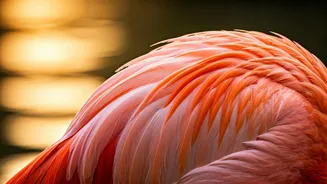







From Grey Chicks to Pink Icons
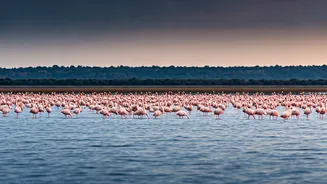
Most people recognize flamingos by their striking pink plumage, a signature look that sets them apart. However, this beautiful coloration isn't a birthright.
When these elegant birds first hatch, they are covered in a downy layer of soft grey or white feathers. This initial appearance is a far cry from the vivid shades they later display. It takes a considerable amount of time for their characteristic pink to emerge, a gradual transformation driven by external factors rather than genetics alone. This stark contrast between their nascent state and their mature splendor highlights a remarkable biological process tied directly to their survival and environment.
The Pigment Powerhouse Diet
The secret to a flamingo's vibrant pink lies surprisingly in its stomach. These birds sustain themselves on a diet rich in specific aquatic organisms, including various types of algae, tiny plankton, and small crustaceans. These food sources are packed with natural pigments known as carotenoids. These are the very same compounds responsible for the brilliant colours found in familiar foods like carrots, tomatoes, and even pumpkins, which exhibit rich orange and red tones. When flamingos ingest these carotenoid-laden foods, their digestive systems efficiently break down these pigments. The body then processes and deposits these colourful compounds into their developing feathers, their skin, and even their beaks, leading to their gradual colour change.
A Gradual Colour Maturation
The transformation of a flamingo's feathers from a dull grey or white to a brilliant pink is not an overnight event. Young flamingos can remain relatively pale for an extended period, with their iconic colour slowly deepening as they consistently consume a diet abundant in carotenoids. The intensity of their pink hue is directly correlated with their dietary intake. Flamingos that enjoy a richer and more consistent supply of carotenoid-rich foods tend to develop brighter, more saturated shades of pink. Conversely, those with a less consistent or varied diet might exhibit lighter or more muted, faded pink tones. This dynamic coloration underscores the profound link between their environment, their food choices, and their visual identity.
Maintaining the Pink Perfection
It's important to note that a flamingo's distinctive pink colour isn't a permanent trait that remains unchanged throughout its life. If a flamingo's diet becomes deficient in carotenoids, its feathers can begin to lose their vibrancy and appear noticeably paler over time. This phenomenon is particularly evident in captive flamingos housed in zoos. To ensure these birds maintain their characteristic pink appearance, zookeepers meticulously design specialized diets that include essential carotenoid supplements. This proactive dietary management is crucial for preserving the iconic look that makes flamingos so recognizable and cherished worldwide. Ultimately, the flamingo truly embodies the adage, 'You are what you eat.'