






Assess Your Needs
Before diving into storage solutions, it's crucial to assess your existing closet. Begin by removing all items and evaluating what you actually own. This
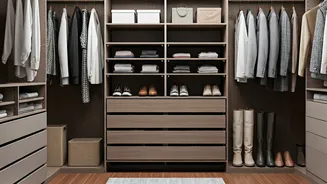
provides a clear view of your inventory and helps you identify items to donate, sell, or discard. Once you’ve purged, consider the size and layout of your closet. Is it a walk-in, reach-in, or something else? Measure the available space – height, width, and depth – to determine the type and quantity of organizers that will fit. Think about your clothing categories: do you have more dresses, shirts, pants, or accessories? This will guide your storage choices. For instance, if you own a lot of dresses, you may need more hanging space or a garment rack. Identify any problem areas, like shoes piling up on the floor or a lack of space for folded items. Finally, establish a budget for your storage solutions. Prices vary greatly, so knowing how much you're willing to spend helps narrow your options and ensures you make cost-effective choices.
Hanging Storage Options
Hanging clothes efficiently is key to a well-organized closet. Utilize different types of hangers to maximize space and preserve garment quality. Slim velvet hangers are a great space-saver, allowing more clothes to fit on a rod compared to bulky wooden hangers. Match the hangers for a cohesive look and to prevent clothes from slipping off. For suits, coats, and heavier items, use sturdy wooden or padded hangers to maintain their shape. Consider a double-rod system if you have ample vertical space, which allows you to hang shorter items like shirts and skirts above longer items like pants or dresses. Add a garment rack to create extra hanging space, especially useful for seasonal clothes or items that don't fit in the closet. Invest in specialized hangers for accessories, such as scarves, belts, and ties, to keep them organized and easily accessible. Use hanging shelves that can hang off your clothes rod, maximizing vertical space for items that are not suitable for hanging.
Folding and Shelving
Efficient folding and shelving are essential for organizing folded clothes. Implement the KonMari folding method for neat and space-saving organization. This technique allows you to fold clothes into compact rectangles that can stand upright, maximizing drawer or shelf space. Group similar items together – t-shirts, sweaters, jeans – for easier access and visual organization. Use shelf dividers to separate stacks of clothing and prevent them from toppling over. For frequently used items, keep them at eye level for easy access. Utilize adjustable shelves to accommodate varying sizes of folded items. Consider using clear bins or baskets on shelves to store folded items or accessories like hats and gloves. Label the bins for easy identification. If your shelves are deep, pull-out drawers or trays can increase accessibility. Use drawer organizers to divide drawers into compartments for items like socks, underwear, and accessories, keeping them tidy and preventing clutter.
Maximizing Floor Space
Make the most of the often-underutilized floor space in your closet. Install shoe racks or shelves along the floor to keep footwear organized and off the ground. If space is limited, consider over-the-door shoe organizers. For seasonal items like boots, use boot shapers to maintain their shape. Utilize under-the-bed storage boxes for seasonal clothing, extra bedding, or other items that you don't use regularly. If your closet is deep, place storage containers in the back, ensuring you can still reach them. Consider a small bench or ottoman with built-in storage to provide seating and extra storage for items like bags or blankets. If you have extra floor space, consider a standing hamper for dirty laundry, helping keep clothes off the floor. Use clear storage containers to easily see the contents of each box, helping you quickly find what you're looking for without having to open multiple containers.
Accessorizing Smartly
Accessories often get lost in a cluttered closet, so effective storage is crucial. Utilize drawer dividers or trays to organize jewelry, belts, and scarves. Hang scarves and belts on specialized hangers or hooks to keep them visible and accessible. Use jewelry organizers with compartments for necklaces, bracelets, earrings, and rings. Clear acrylic organizers help you see your jewelry collection at a glance. For handbags and clutches, use shelf dividers or individual bag organizers to prevent them from falling over or losing their shape. Consider a hanging handbag organizer that offers multiple compartments. Install a small mirror inside your closet to make it easier to try on outfits and see how accessories look together. Use a small storage box or tray on a shelf for items like sunglasses and wallets. Rotate accessories seasonally, storing items you're not currently using to free up space.
Maintaining Organization
Maintaining a well-organized closet requires consistent effort. Make it a habit to put clothes back in their designated place after each use. Avoid throwing clothes on the floor or piling them on furniture. Regularly declutter your closet. Go through your clothes seasonally and donate or discard items you no longer wear. If you find items you haven't worn in a year, consider getting rid of them. When you purchase new clothes, discard something old to keep your closet from overflowing. Clean your closet regularly to remove dust and keep it fresh. Dust shelves, vacuum the floor, and wipe down any storage containers. Assess your storage solutions periodically. Are your organizers still working for you? Do you need to adjust them to accommodate your changing wardrobe? By following these steps and establishing a regular maintenance routine, you can keep your closet organized and your clothes accessible.