





Fuel Scarcity Impact
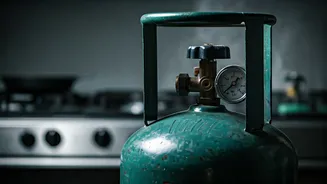
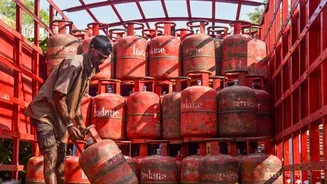
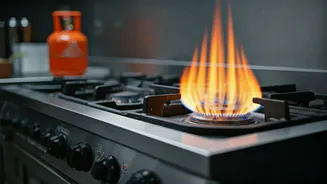
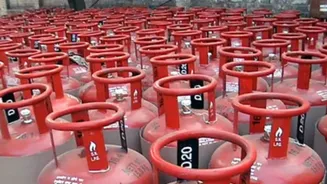
The ongoing disruptions in the commercial LPG supply chain, attributed to geopolitical developments, are presenting serious operational hurdles for restaurants
nationwide. This scarcity has led to temporary closures in some instances, such as the brief shutdown of Byculla's New Sunrise Restaurant when its last gas cylinder was depleted. The situation has compelled many establishments to seek immediate workarounds and rethink their fundamental cooking processes to ensure continuity. The severity of the shortage underscores the vulnerability of kitchens reliant on conventional fuel sources and highlights the need for proactive strategies to mitigate future disruptions and maintain service delivery despite the challenging circumstances. This reliance on a single fuel source has been exposed as a critical weak point in the restaurant industry's infrastructure.
NRAI's Strategic Guidance
In response to the critical LPG shortage, the National Restaurant Association of India (NRAI) has proactively disseminated a comprehensive advisory to its member establishments. This guidance focuses on implementing robust fuel conservation measures and adopting alternative cooking technologies to sustain operations. Key recommendations include a strategic rationalization of menus, prioritizing dishes that require less cooking time and energy. Furthermore, the advisory promotes batch cooking techniques over frequent, small cooking cycles, alongside the use of pressure cookers and lids to significantly reduce gas consumption. Practical tips like pre-soaking grains and legumes, ensuring burners are switched off when not in use, and matching burner size to utensil dimensions are also emphasized to prevent energy wastage. The NRAI also urges restaurants to optimize their preparation schedules and cooking processes, especially during non-peak hours, to further minimize gas usage and manage resources efficiently.
Exploring Alternative Technologies
Beyond conservation, the NRAI is actively encouraging restaurants to explore and integrate alternative cooking equipment to reduce their dependence on LPG. This includes embracing electric-powered appliances such as induction stoves, electric griddles, and fryers, as well as utilizing combi ovens, convection ovens, rice cookers, and steamers. Even a partial transition of cooking tasks to electrical energy can substantially alleviate the pressure on LPG supplies and offer a more resilient operational model. The advisory also suggests introducing limited 'crisis menus' featuring quick-to-prepare dishes and potentially adjusting operational hours to conserve fuel during periods of extreme scarcity. This diversification of energy sources is a crucial step towards building a more robust and adaptable culinary infrastructure that can withstand external supply chain shocks.
Kitchens Adapt & Innovate
The LPG shortage has already spurred significant innovation and improvisation within Mumbai's restaurant scene. Imran Kadiwala, owner of New Sunrise Restaurant in Byculla, experienced the crisis firsthand when his last cylinder ran out, forcing a temporary closure. To resume operations, he swiftly procured an electric stove for Rs 6,300 and a coal-fired 'bhatti' for Rs 2,000, allowing him to restart services by 3 pm. His current menu is limited to faster-cooking items like keema, egg bhurji, chicken masala, and mutton masala, with dishes requiring longer cooking times such as dosa, Chinese items, and chapatis temporarily removed. Similarly, The Girgaum Kitchen, a historic eatery in Girgaon, is altering its menu due to an inability to get empty cylinders refilled. Co-founder Omkar Narvekar has discontinued freshly fried items, a house specialty, and is now focusing on dishes like 'usals' that can be prepared in batches and kept warm in a bain-marie, demonstrating a practical approach to the ongoing fuel challenges.