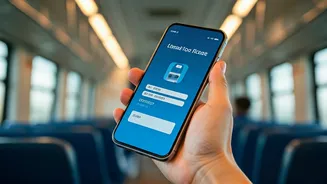









OTP System Unveiled
To address issues stemming from its previous ticketing methods, Indian Railways launched a new OTP-based system. This system aims to improve transparency
and safeguard passenger identities during travel. The implementation began on January 12th, initially in Prayagraj for counter ticket bookings. This new protocol is now available for both online and counter ticket bookings, extending to premium services like Rajdhani, Shatabdi, and Duronto Express trains. Shashikant Tripathi, the North Central Railway Chief Public Relations Officer (CPRO), stated that the OTP system would be introduced in phases, with its expansion across all railway lines contingent on its early success. The primary objective is to eliminate fraudulent booking practices, particularly those involving unauthorized agents and individuals making multiple ticket purchases.
Combating Fake Bookings
The OTP-based ticketing system is specifically designed to eliminate fake bookings. In the past, authorities observed instances of individuals, often working with unauthorized agents, making multiple ticket purchases. The new system came into effect on January 12th and has been applied to 300 major trains across the country. According to the updated regulations, tickets for these trains are no longer issued without OTP verification via the Indian Railways' portal, enhancing both security and passenger convenience. The system requires travelers to provide a valid phone number when booking tickets at railway counters. An OTP is then sent to this number for verification, and tickets are only issued after the OTP is entered into the system. Tripathi noted that the plan includes a phased rollout, with the system's expansion to all trains depending on initial outcomes.
How It Operates
The operation of the new OTP system is straightforward. When booking tickets at railway counters, passengers are asked to provide a working mobile phone number. The system then sends an OTP to this number for verification purposes. The ticket is only issued once the passenger provides the OTP to the booking clerk. This method ensures that the person booking the ticket is the authorized user, reducing the likelihood of fraudulent activities. The CPRO highlighted that the initial phase involved 300 trains, and that the railway authorities are planning to expand the system to all trains if the results are favorable. This change marks a significant step toward improving security and making the booking process more efficient and secure for all passengers.