




Shifting Tastes in Pregnancy
Actress Divyanka Tripathi, currently expecting her first child with husband Vivek Dahiya, recently shared an endearing anecdote about her evolving dietary
preferences during pregnancy. Previously, she had actively avoided milk and fruits. However, during a baby shower celebration, she confessed to a friend about a newfound craving for elaichi bananas, a smaller, fragrant variety of the fruit. This craving held special significance as elaichi bananas are a favorite of her husband, Vivek. "I never used to drink milk or eat fruits. Now I eat bananas. I drink milk," Divyanka shared, noting the significant change in her eating habits. This transformation from avoidance to craving is a common phenomenon during pregnancy, often driven by the body's increased need for specific nutrients.
Biological Drivers of Cravings
According to consultant dietitian Garima Goyal, these sudden shifts in food preferences and the emergence of cravings have a solid biological basis. During pregnancy, the body's nutritional demands increase to support both the mother's health and the developing fetus. When there are nutritional gaps in the mother's diet, the body signals its need through cravings for specific foods that can fulfill those requirements. For instance, bananas, a fruit Divyanka previously avoided, are now a desired food. This aligns with their rich nutritional profile, offering benefits like sustained energy release, potential relief from early pregnancy nausea, and support for digestive health due to their fiber content. Furthermore, bananas are a good source of potassium, which is crucial for managing muscle cramps that frequently trouble expectant mothers.
Nutrition During Gestation
Pregnancy often acts as a catalyst for women to become more conscious about their food choices, not just for personal well-being but also for the baby's development. Many women may enter pregnancy with pre-existing dietary gaps stemming from personal preferences or lifestyle routines. Incorporating nutrient-dense foods becomes paramount. For example, adding milk to the diet significantly boosts the intake of calcium and protein, both vital for the robust development of the baby's bones and for maintaining the mother's overall health. The dietitian emphasizes that the focus should be on 'eating right' rather than simply 'eating more'. Even seemingly small, consistent dietary adjustments, like adding a banana daily, can contribute substantially to a healthy pregnancy when approached mindfully.
Mindful Dietary Adjustments
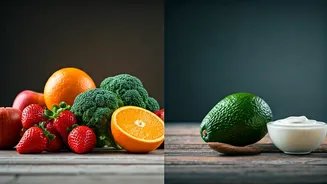
It is important to note that these dietary changes during pregnancy should ideally be implemented gradually and thoughtfully. Forcing foods, particularly if an individual has a pre-existing intolerance or aversion, might not be a successful approach. Instead, dietitian Garima Goyal suggests exploring alternative sources of essential nutrients. For example, if dairy is a challenge, incorporating options like curd (yogurt), paneer (cottage cheese), or other fortified food products can be beneficial. The key is to ensure that the mother is receiving adequate nutrition without causing discomfort or adverse reactions. The journey of pregnancy is a unique one, often marked by these evolving nutritional needs and delicious discoveries, as Divyanka Tripathi's experience illustrates.