





The Stone Formation Process
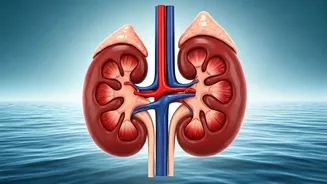
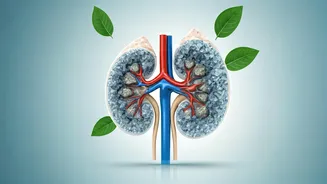
Kidney stones form when your body doesn't have enough fluids to dissolve waste minerals, causing them to crystallize and clump together. This process is exacerbated
by diets high in sodium, which prompts the kidneys to excrete more calcium into the urine. When urine becomes concentrated due to insufficient water intake, these minerals, like calcium and oxalate, readily stick to each other, creating small crystals. Over time, these microscopic formations can grow into larger, hard deposits known as kidney stones. Think of it like trying to dissolve sugar in a small amount of water – if there isn't enough liquid, the sugar will settle and clump at the bottom. Consuming a lot of salty, processed foods introduces an excess of these stone-forming minerals into your system, significantly increasing the likelihood of their accumulation. The combination of minimal fluid intake and a high-sodium diet creates a perfect storm for kidney stone development, particularly when coupled with a lack of physical activity and extended periods in air-conditioned settings which can subtly suppress thirst signals.
Why the Surge?
Several interconnected lifestyle factors are contributing to a notable increase in kidney stone diagnoses among younger adults. A primary culprit is a pervasive lack of adequate hydration, often a consequence of busy work schedules and forgetting to drink enough water throughout the day. This habit, while seemingly minor, is the most easily rectifiable issue. Complementing this is the prevalence of high-sodium diets; processed foods, packaged snacks, and restaurant meals are laden with salt, contributing significantly to the problem. Furthermore, sedentary lifestyles, characterized by reduced physical activity, can disrupt metabolic processes. In warmer climates, fluid loss through perspiration is a factor, but often, this loss isn't sufficiently replenished. Alarmingly, individuals frequently overlook early indicators such as persistent back discomfort, a burning sensation during urination, or the presence of blood in their urine. This delay in recognizing symptoms can postpone diagnosis and treatment, allowing conditions to worsen.
Prevention Is Key
Preventing kidney stones is largely achievable through straightforward modifications to daily habits. Medical professionals strongly advocate for maintaining optimal hydration by consuming at least 2.5 to 3 litres of water each day, with this intake needing to be higher for those in hot environments or engaged in strenuous physical activities. Equally important is the deliberate limitation of salt consumption; this means cutting back on processed foods, pickles, and packaged snacks that are often high in sodium. Adopting a balanced diet is also crucial. Incorporating citrus fruits like lemons and oranges is beneficial, as their citrate content acts as a natural inhibitor of stone formation. For individuals with a predisposition to kidney stones, moderation of oxalate-rich foods might be necessary, but this should be done under professional medical guidance. For those with a history of kidney stones, regular medical check-ups are highly recommended to monitor their condition proactively. Ultimately, while doctors can treat kidney stones, their prevention hinges on heightened awareness and consistent, conscious lifestyle choices regarding hydration and diet.