






Ready for Takeoff
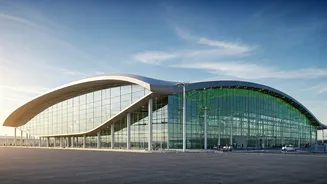
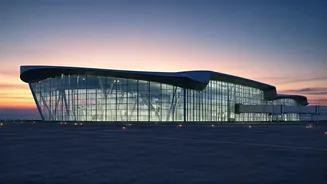
The Noida International Airport (NIA) is on the cusp of operations, with its terminal building showcasing impressive readiness. Workers are diligently
completing final touches on electrical systems, CCTV networks, and gas supply to ensure everything is functional. The project, spread across 1,334 hectares, is meticulously planned in four phases, aiming for a significant passenger capacity of 12 million annually by the conclusion of its initial phase. A 3,900-meter runway is already prepared, awaiting the green light from the Airport Security Program (ASP) for domestic flight commencement within approximately 45 days. Leading airlines such as IndiGo, Air India Express, and Akasa have expressed strong interest in operating from this new hub. Once operational, the Directorate General of Civil Aviation (DGCA) will allocate flight slots, with international and cargo services anticipated by year-end. This strategic location in Jewar, Greater Noida, is set to serve a vast population across Delhi, NCR, and Western Uttar Pradesh, positioning the capital city to manage air traffic with two major airports, akin to Mumbai.
Showcasing UP's Heritage
The architectural design of the Noida International Airport is a thoughtful homage to Uttar Pradesh's rich cultural tapestry, aiming to reflect the state's significant holy cities and revered rivers. Beyond its aesthetic appeal, the airport is equipped with cutting-edge amenities and technology designed for unparalleled passenger convenience and comfort. A key feature is the integration of the Digiyatra app, which will allow travelers to navigate seamlessly from the terminal entrance directly to their boarding gates using their mobile devices. Terminal 1, spanning an impressive 1,37,985 square meters, will feature 48 check-in counters and 20 baggage drop-off stations. To expedite passenger flow, ten security lanes have been installed, promising faster security checks. Initially, ten domestic gates will be outfitted with aerobridges, facilitating smooth boarding processes for arriving and departing passengers.
Eco-Conscious Design
A strong emphasis has been placed on environmental sustainability in the airport's construction and operational planning. The design maximizes the use of natural light, reducing the need for artificial illumination, and incorporates elements like bamboo seating in waiting areas, adding a touch of natural elegance. The airport is also set to feature charging stations for electric vehicles (EVs), signaling a commitment to greener transportation alternatives. Furthermore, the operational fleet of vehicles utilized on the airside will be entirely electric, minimizing the carbon footprint associated with airport logistics. While future plans include integration with the Rapid Rail Transit System (RRTS), the airport will initially rely on conventional modes of transport, including taxis and buses, to serve passengers connecting to and from the facility.