





The 90s Dining Experience
Train journeys in the 1990s were characterized by a slower pace and a distinct charm, with passengers often relying on pantry cars or station vendors for
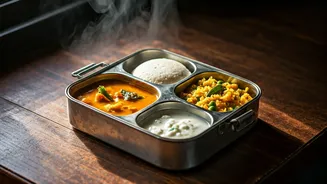
their meals. The absence of digital food ordering meant that meals were an integral and often anticipated part of the travel experience. Indian Railways lacked a unified catering system during this period; instead, each railway zone managed its own food services. This decentralization meant that pantry cars on trains and refreshment rooms at major stations, along with private contractors on busy routes, offered menus that could vary significantly from one journey to another. Meals were typically presented on durable steel trays or melamine plates, and beverages like tea were served in thick glass tumblers designed to retain heat, adding to the sensory experience of dining on board. The act of eating was more than just satisfying hunger; it was interwoven with the fabric of the journey itself, creating lasting memories for passengers.
Classic Vegetarian Staples
Vegetarian thalis formed the cornerstone of most meals served on Indian trains throughout the 1990s, designed for ease of preparation and reheating in a moving environment. A typical thali would feature a wholesome combination of fluffy rice or soft chapatis, a simple yet flavorful yellow dal, a basic vegetable preparation, and a tangy pickle. For longer journeys, passengers could also opt for hearty dishes like pulao or khichdi, which were both filling and gentle on the digestive system. These staple vegetarian meals were crafted to be accessible and satisfying for a wide range of travelers, ensuring that everyone could enjoy a comforting and nutritious meal regardless of the train's route or duration. The focus was on providing simple, well-cooked dishes that offered sustenance and a sense of familiarity during extended travel.
Breakfast Regional Flavors
The breakfast offerings on Indian Railways in the 1990s often reflected the regional character of the train's route. Travelers on northern routes might have woken up to the delightful taste of aloo parathas served with cooling curd, a popular and energy-boosting start to the day. Conversely, journeys through the southern regions typically featured breakfast staples like soft idlis, savory upma, or comforting pongal, showcasing distinct culinary traditions. Across all zones, bread and butter were a widely available option, providing a familiar choice for those preferring a simpler breakfast. These morning meals not only satisfied hunger but also offered passengers a small but significant introduction to the local flavors of the areas they were traversing, adding a cultural dimension to the travel experience.
Platform Snack Delights
Station stops during the 1990s were eagerly anticipated moments, largely due to the vibrant array of fresh snacks available from vendors. Passengers would often hear the calls of vendors walking through coaches, offering tempting treats like crispy samosas, savory kachoris, and golden-brown cutlets. At larger railway junctions, the rush to acquire these treats was part of the excitement, with passengers quickly purchasing items like pakoras or vadas, often wrapped in simple brown paper. These quick, delicious purchases from the platform added a layer of spontaneous enjoyment to the journey, and the memory of these accessible, flavorful snacks remains a fond recollection for many who traveled during that era. They were a quick burst of flavor and a beloved part of the overall travel adventure.
Limited Non-Veg Options
While vegetarian fare dominated the menus, non-vegetarian choices were available, albeit with some limitations, during the 1990s. Omelettes were a common sight on breakfast menus, offering a quick protein boost. Some trains also featured egg curry served alongside rice or rotis, providing a more substantial non-vegetarian option. For those seeking richer flavors, select routes occasionally included chicken curry or biryani on their menus. Mutton-based dishes, however, were more frequently found in station canteens rather than in the onboard pantry cars. These non-vegetarian offerings, while not as widespread as vegetarian dishes, still provided variety for passengers who preferred them, adding another dimension to the railway dining experience for those who could find them.
Simple Sweet Endings
Desserts offered on Indian Railways in the 1990s were characterized by their simplicity and traditional appeal, providing a sweet conclusion to meals. Popular choices often included the flaky, melt-in-your-mouth soan papdi and the syrupy, indulgent gulab jamun, both of which were widely enjoyed by passengers. Another beloved sweet treat was the besan laddoo, a gram flour-based confection that offered a rich, nutty flavor. Beyond these prepared sweets, many travelers also carried their own biscuit packets to share, adding a communal aspect to dessert. For those seeking a healthier option, fruit vendors at major stops commonly sold fresh bananas and oranges, rounding out the simple yet satisfying dessert landscape of the era.
Hydration and Water
In the 1990s, packaged drinking water was not as ubiquitous as it is today, meaning passengers often had to make their own arrangements for staying hydrated during train journeys. Many travelers would carry their own water bottles filled from home, a common practice given the limited availability of branded railway water nationwide. Refilling water at platform taps during scheduled stops was also a frequent strategy for managing hydration needs throughout the trip. This reliance on personal supplies and station facilities meant that managing water consumption was an integral part of planning any train journey, reflecting a different era of travel convenience and self-sufficiency compared to the readily available bottled water of today.
A Simpler Culinary Era
Compared to the vast array of options available today, the food choices on Indian Railways in the 1990s were considerably more limited, with menus often dictated by the pantry car's capabilities and the length of the journey. Despite these constraints, the meals served possessed a distinct quality: they felt intrinsically connected to the regions the train traversed. There was a profound sense of simplicity and familiarity in the food, making it a memorable part of the travel experience for many. This era of railway dining, marked by its straightforward offerings and regional authenticity, continues to hold a special place in the memories of countless travelers, evoking a feeling of nostalgia for a time when food on the train was a comforting and uncomplicated pleasure.