






Altitude's Embrace
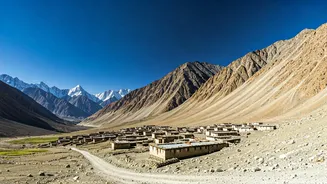
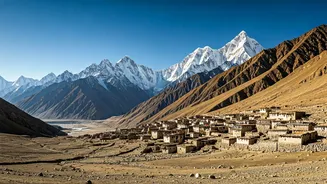
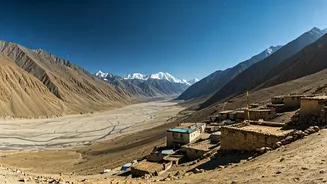
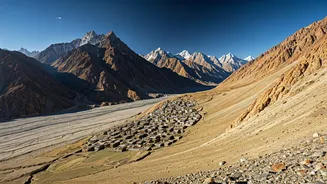
Perched at an astonishing 15,027 feet above sea level in the Spiti Valley of Himachal Pradesh, Komic holds the distinct title of India's highest motorable
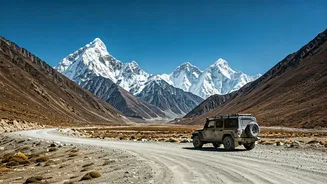
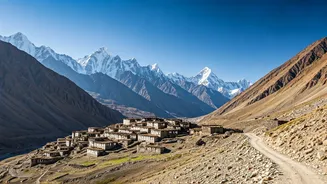
village. This lofty status is not merely a geographical statistic; it shapes every facet of life for its diminutive population, which hovers around the 150 mark. The very air is thinner, the sun's rays are more intense, and the landscape is one of stark, dramatic beauty, characterized by barren mountains, vast skies, and a profound sense of isolation. Reaching Komic is an adventure in itself, typically involving treacherous roads that wind through some of the most remote and rugged terrain in the Himalayas. This geographical isolation has fostered a unique way of life, preserving traditions and a close-knit community spirit that is a hallmark of high-altitude settlements. The village's extreme elevation means that agriculture is challenging, relying on hardy crops that can withstand the harsh climate and short growing seasons. Daily existence is a testament to human resilience and adaptation, where survival is intrinsically linked to understanding and respecting the formidable forces of nature.
Life's Rhythm
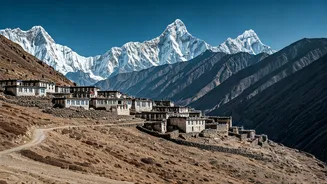
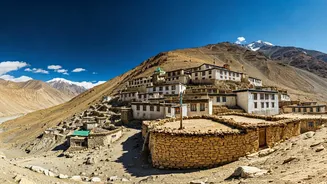
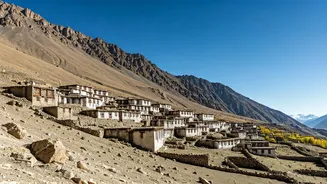
In Komic, the rhythm of life beats in sync with the harsh yet majestic Himalayan environment. With a population rarely exceeding 150 souls, the community is inherently close-knit, with interdependence being a cornerstone of their survival. Traditional farming practices, adapted to the high-altitude conditions, form the backbone of their livelihood. Hardy crops like barley and peas are cultivated during the short summer months, with the produce often stored meticulously to last through the long, unforgiving winters. Livestock, primarily yaks and sheep, are also integral to their economy, providing wool, milk, and meat. Homes are typically built using local materials like stone and mud, designed to insulate against the extreme cold. The local monastery, a vibrant center of spiritual life and community gatherings, plays a crucial role in their social fabric. Festivals and religious observances are celebrated with fervor, providing much-needed occasions for communal bonding and cultural expression. Despite the challenges of their remote location, the people of Komic exhibit a remarkable sense of contentment and a deep connection to their ancestral land, embodying a spirit of simplicity and resilience.
Cultural Tapestry
The cultural tapestry of Komic is as rich and unique as its elevated location. Nestled in the trans-Himalayan region, its inhabitants are primarily of Tibetan descent, and their way of life is deeply influenced by Tibetan Buddhism. The local monastery, often a striking architectural feature in such villages, serves as the heart of their spiritual and social activities. Here, ancient rituals, chants, and prayers are a daily affair, reinforcing their cultural identity and providing solace. The villagers' attire often reflects traditional patterns and colors, made from locally sourced wool, offering warmth and a distinct aesthetic. Their dialect and customs are preserved through generations, passed down verbally and through communal practices. Festivals, particularly those aligned with the Buddhist calendar, are vibrant affairs involving masked dances, music, and communal feasting, showcasing their artistic heritage. The concept of hospitality is deeply ingrained; despite their self-sufficiency, visitors are often welcomed with warmth and offered traditional food and shelter, giving outsiders a rare glimpse into a way of life that remains largely untouched by the rapid modernization elsewhere. This cultural preservation is a testament to their strong community bonds and their deep reverence for their heritage.