



The LPG Crisis Unfolds
A geopolitical event thousands of kilometers away in Iran is quietly orchestrating a culinary shift across India. The primary catalyst for this transformation
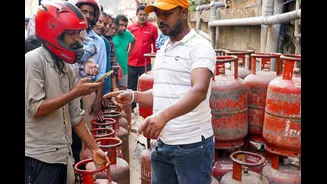
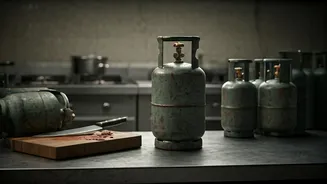
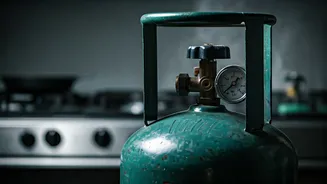
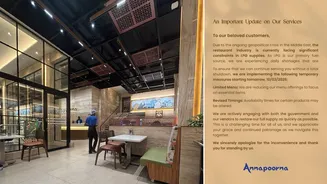
is a burgeoning shortage of Liquefied Petroleum Gas (LPG), a vital cooking fuel. Disruptions in maritime trade routes, particularly through the Strait of Hormuz, have significantly curtailed LPG shipments, creating a domino effect that has forced eateries in major Indian cities like Delhi, Mumbai, and Bengaluru to make difficult decisions regarding their offerings. The immediate consequence has been a noticeable pruning of menus, with certain beloved dishes becoming casualties of this fuel scarcity. This situation underscores the vulnerability of India's food service industry, heavily reliant on a single energy source.
Gravy vs. Tandoor: Fuel Consumption
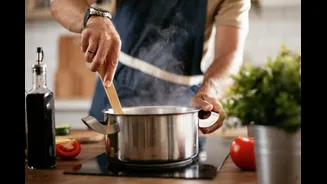
The question naturally arises: why are some dishes affected while others remain untouched? The distinction isn't about culinary preference but rather about fuel consumption. A staggering 90% of Indian restaurants depend on LPG cylinders for their operations, with a minuscule fraction having adopted alternatives like piped natural gas (PNG) or electric cooking. Consequently, dishes that require sustained heat, such as gravy-based preparations like butter chicken and slow-cooked meals, are the first to be removed. These dishes inherently consume more fuel over longer cooking periods. Similarly, fried items, which demand consistent high temperatures, also face elimination. In stark contrast, tandoor-cooked items, including tandoori chicken, paneer tikka, naan, and kulchas, have largely persevered. These cooking methods are often more efficient in terms of fuel usage and can be prepared in batches, making them more resilient to the current crisis. Even items like dosas and uttapams, which require constant heat on a tawa, are feeling the strain, with establishments resorting to reducing the number of cooking surfaces to conserve gas.
Impact on Canteens and Hostels
The LPG crunch is not confined to commercial restaurants; its effects are keenly felt in institutional kitchens as well. Even the canteen of the Delhi High Court, a popular spot for legal professionals, has had to significantly alter its menu. Main course items such as biryani, dal makhani, and shahi paneer have been conspicuously absent, replaced by simpler options like sandwiches, salads, and fruit chaats. The humble samosa has also been removed. This mirrors the situation in college canteens, hostels, and paying guest (PG) accommodations, where menus have been revised and gas usage rationed. For instance, a boarding school in Lucknow has transitioned from offering rotis and fried breakfasts to serving rice and externally sourced bakery items, recognizing that rice can be cooked in larger quantities with less fuel. Hostels in Bengaluru and Chennai are also reducing the frequency of rotis and parathas, opting for more rice-based meals. PGs in Bengaluru have even limited dining services to two meals per day on weekdays and have entirely removed dosas and pooris from their offerings, demonstrating the widespread impact of the fuel shortage.
Exploring Alternative Cooking Methods
In response to the persistent LPG shortage, the food industry is actively exploring and implementing alternative cooking solutions. Beyond simply trimming their menus and operational hours, many restaurants have resorted to using traditional fuels like firewood and coal to maintain their operations. Concurrently, some establishments are investigating the feasibility of transitioning to induction-based cooking systems. However, this shift is not without its hurdles. The primary challenge lies in the necessity of upgrading or installing new electrical infrastructure to support these systems. Furthermore, induction equipment represents a significant financial investment, and the complete installation of such systems is a time-consuming process. The severity of the situation is highlighted by restaurateurs who have been forced to close their businesses due to the lack of gas supply and escalating black market prices for cylinders, with projections indicating potential widespread closures if the crisis persists without resolution.