







Fleeting Beauty: Luna Moth
The majestic Luna Moth is a true spectacle of nature, but its adult stage is fleeting, lasting a mere week. These moths are born without functional mouths,
meaning their entire adult existence is dedicated solely to the crucial act of reproduction, ensuring the continuation of their species before their brief time is up. Their striking appearance belies a life programmed for immediate procreation and then a swift end.
Microscopic Lives: Gastrotrich
In the realm of the microscopic, Gastrotrichs are tiny aquatic invertebrates commonly found in freshwater habitats. Though incredibly small, their lifespans are remarkably short, often spanning only a few days. This rapid reproductive cycle and quick life journey are vital for maintaining their populations, allowing them to adapt and thrive in ever-changing aquatic environments where constant renewal is key to survival.
Ubiquitous Housefly
The common Housefly, often seen flitting around human dwellings, typically lives for about 15 to 30 days. During this brief window, they are prolific breeders, demonstrating an exceptional ability to adapt to various human-influenced surroundings. Their swift life cycle is the reason behind their widespread presence across the globe, enabling them to multiply at an impressive rate.
Ecological Mosquito
Mosquitoes, known for their annoyance and potential health implications, generally have a lifespan of only a few weeks. While male mosquitoes usually perish within about a week, females can survive longer depending on environmental factors. Despite their short lives, these insects play significant ecological roles within their habitats and can have a considerable impact on human well-being.
Research Fruit Fly
The Fruit Fly is a staple in scientific research, largely due to its remarkably fast life cycle. Many individuals of this species live for approximately 40 to 50 days. This compressed lifespan is invaluable for researchers, allowing them to study genetic inheritance, evolutionary processes, and various biological functions across multiple generations in a condensed timeframe.
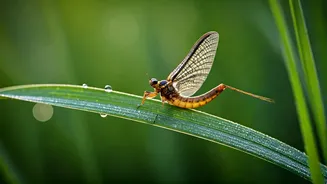
Ephemeral Mayfly
Renowned for one of the shortest existences in the animal kingdom, the Mayfly epitomizes brevity. Adult Mayflies often live for only a mere few hours to a single day. Their entire, brief adult life is singularly focused on reproduction, after which they rapidly complete their life cycle and pass on.
Purposeful Drone Ant
Male Drone Ants are primarily creatures of reproduction. Their sole purpose in life is to mate with a queen during her nuptial flights. Following this essential act, they typically die soon thereafter. Their lifespan is significantly shorter than that of worker ants or queens, making their existence entirely centered around the perpetuation of the colony.
Industrious Worker Bee
Despite their vital role in pollination and colony maintenance, Worker Bees have a surprisingly short life. During periods of high activity, a worker bee often lives for about five to six weeks. Their entire existence is dedicated to tirelessly gathering nectar, pollen, and supporting the hive's collective survival, a testament to their industrious nature within their limited time.