






The Resilient Camel
Often hailed as the 'ship of the desert,' the camel possesses an unparalleled ability to endure extreme heat and arid environments. Its iconic hump is
not a water reservoir but a vital storehouse of fat, which the camel's body metabolizes for energy when food is scarce. This physiological advantage allows camels to go for extended periods without drinking and tolerate significant dehydration. Further protection against the harsh desert comes from their specialized eyelashes, which shield their eyes from blowing sand, and nostrils that can be closed to prevent sand inhalation during storms. These adaptations make the camel an epitome of heat survival.
Fennec Fox's Cool Ears
Hailing from the vast Sahara Desert, the fennec fox is instantly recognizable by its exceptionally large ears. Far from being merely for show, these oversized appendages serve a crucial thermoregulatory function, acting as radiators to dissipate excess body heat and maintain a stable internal temperature. Its light-colored fur is also a key adaptation, reflecting the intense sunlight during the day and providing insulation against cooler desert nights. Primarily nocturnal, the fennec fox wisely avoids the peak heat by being most active during the cooler twilight and nighttime hours, when it ventures out to hunt.
Kangaroo Rat's Water Sense
Despite its name, the kangaroo rat is not closely related to its marsupial namesake. This small desert rodent, found in the arid landscapes of North America, exhibits an astonishing ability to survive without ever drinking water directly. It ingeniously derives all its necessary moisture from the dry seeds and plants it consumes. Furthermore, its kidneys are remarkably efficient, capable of reabsorbing and conserving almost every drop of water within its system. To further minimize water loss and exposure to heat, the kangaroo rat spends its days safely ensconced in underground burrows, emerging only after dusk to forage.
Ostrich's Heat Management
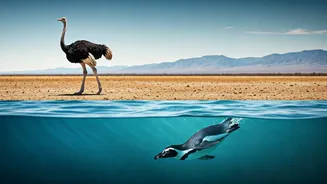
Africa's majestic ostrich thrives in the heat of savannas and dry open plains, demonstrating impressive capabilities for managing extreme temperatures. As the largest living bird, it utilizes its remarkably long legs not only for efficient locomotion across vast distances in search of food and water but also to minimize energy expenditure. Its unique feather structure plays a vital role in temperature regulation; by trapping a layer of cool air close to its skin, it provides a natural form of insulation against the oppressive heat. This combination of physical traits and behavioral patterns allows the ostrich to flourish in its challenging environment.
Desert Tortoise's Burrow Life
The desert tortoise is a paragon of resilience, embodying a 'slow and steady' approach to survival in arid regions. A significant portion of its life is spent within subterranean burrows, where the ambient temperature remains considerably cooler and more stable than the scorching surface conditions. This reptile possesses the remarkable ability to store water within its body, enabling it to endure prolonged periods without access to fresh water sources. When temperatures become extreme, the tortoise instinctively conserves energy and minimizes water loss by severely limiting its physical activity, effectively hunkering down until conditions improve.
Meerkat's Sun-Shielded Eyes
Renowned for their vigilant, upright posture as they scan the surroundings, meerkats are exceptionally well-adapted to the hot and dry environments of southern Africa. They reside in intricate underground burrow systems that provide a sanctuary of cooler temperatures, even during the most intense heatwaves. A distinctive feature of meerkats is the dark pigmentation around their eyes, which functions much like built-in sunglasses. This adaptation significantly reduces glare from the intense sunlight, allowing them to maintain clear vision and effectively spot predators or food sources under strong solar conditions.
Thorny Devil's Water Collection
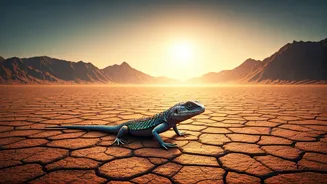
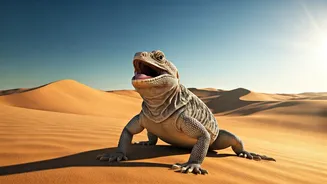
This peculiar-looking Australian lizard, the thorny devil, is a true marvel of adaptation, thriving in some of the planet's most scorching desert landscapes. Its body is covered in numerous sharp spines, which are not just for defense but also serve an ingenious purpose: channeling dew and infrequent rainfall directly to the corners of its mouth. The unique texture and structure of its skin are capable of absorbing minuscule amounts of moisture, a critical survival mechanism in regions where water is exceedingly scarce. This biological innovation allows the thorny devil to persist and flourish in its extremely arid habitat.
Elephant's Cooling Ears
While not typically associated with desert life, African elephants demonstrate a surprising aptitude for managing intense heat. Their enormous ears are a key feature, acting as highly effective natural radiators that help dissipate excess body heat and regulate their internal temperature. To further cool down, elephants frequently engage in mud baths and dust showers, which form a protective layer against the sun and provide evaporative cooling. They also make regular visits to water sources for drinking and bathing. Their daily routines are often adjusted based on the weather, with increased activity occurring during the more temperate hours of the day.