
Storm's Unfolding
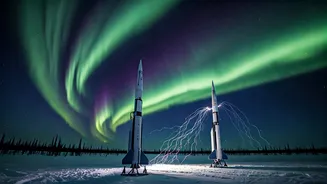
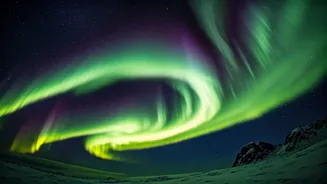
The recent solar storm, the most intense in two decades, painted the skies with vibrant hues of the Northern Lights, attracting global attention. Videos
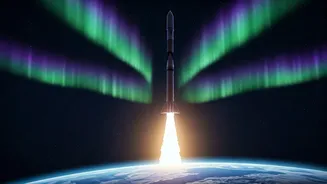
captured the mesmerizing spectacle, showcasing nature's grandeur. These solar flares, eruptions from the sun's surface, emitted massive amounts of energy and charged particles. When these particles reach Earth, they interact with the atmosphere, creating auroras, commonly known as the Northern Lights. The intensity of the storm and its impact highlighted the influence of solar activity on Earth's environment.
What It Means
A solar storm of this magnitude brings with it a variety of implications. Primarily, it can cause disturbances to satellite communications, radio transmissions, and power grids. The charged particles can interfere with the electronic systems, potentially leading to disruptions. The event served as a reminder of the sun's significant influence and the need for preparedness in addressing its effects. Scientists continue to monitor solar activity to mitigate potential risks and enhance understanding of the Earth-Sun connection.
Decades Long View
The occurrence of the largest solar storm in two decades provides context and a sense of scale. The previous event of such intensity occurred long ago, making this recent display all the more remarkable. Monitoring solar activity involves understanding the sun's cycles and predicting potential events to protect critical infrastructure. Regular monitoring and advancements in space weather forecasting provide crucial data for anticipating the severity of these events. This proactive approach supports global efforts to protect technological systems and ensure uninterrupted services during future solar storms.
Rare Displays
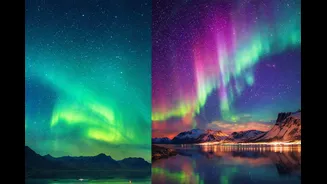
The visual impact of the Northern Lights, caused by the solar storm, was extraordinary. For many, witnessing this display was a once-in-a-lifetime experience. The vibrant colors and patterns, ranging from green to purple, created a breathtaking view across the sky. The aurora's appearance provides a beautiful demonstration of the dynamic interactions between solar particles and Earth's atmosphere. Such spectacular displays are usually only visible in regions close to the magnetic poles, making this event particularly notable for those who observed it further south.