





Stay Cool, Dress Right
As Pune experiences scorching temperatures exceeding 40 degrees Celsius, the municipal corporation has issued a significant advisory to its field staff
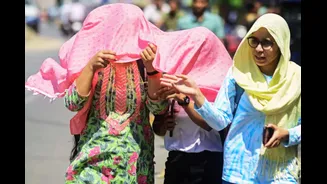
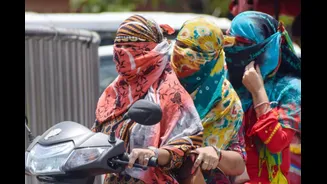
and labourers. The primary recommendation is a shift in attire: workers are strongly urged to forsake dark-colored clothing in favor of light-colored cotton garments, especially white. This simple change significantly aids in reflecting sunlight and keeping the body cooler. Beyond clothing, it's crucial for individuals to stay well-hydrated throughout the day. The advisory emphasizes the importance of consuming ample water, and for added benefit, suggests incorporating natural beverages like lemon juice, coconut water, or buttermilk to replenish electrolytes lost through perspiration. To further shield themselves from direct sun exposure, workers are encouraged to wear caps or use scarves to protect their heads and faces. These measures are part of a broader effort to safeguard the health and well-being of approximately 7,000 civic employees and 5,000 laborers involved in essential services like waste management, drainage, gardening, road maintenance, and water supply.
Revising Work Schedules
Recognizing the severe health risks associated with prolonged exposure to high temperatures, the Pune civic body is advising a strategic adjustment of work timings. Specifically, field activities should be avoided or significantly reduced during the peak heat hours, typically between 12 pm and 3 pm. If the nature of the work permits, employers are encouraged to reschedule outdoor tasks to the cooler parts of the day, such as early mornings or late afternoons. This proactive approach aims to minimize the risk of heatstroke among the workforce. The directive also highlights the importance of providing necessary safety materials and creating shaded resting areas at work sites. Furthermore, ensuring consistent access to drinking water is paramount. This advice aligns with the standard operating procedure (SOP) released by the Maharashtra government, which advocates for staggered work hours and mandatory rest breaks during periods of high heat risk, underscoring the collective effort to mitigate the impact of extreme weather conditions on laborers across various sectors.
Recognizing and Responding
A critical aspect of preventing heatstroke involves being aware of its symptoms and knowing how to respond promptly. The advisory from the Pune civic body stresses that if any worker experiences signs of heatstroke, such as dizziness, vomiting, profuse sweating, or a noticeable increase in body temperature, they must seek immediate medical assistance. Early intervention is key to preventing severe complications. This guidance is particularly relevant as Maharashtra is identified as one of the most heat-vulnerable states in India, with specific districts facing a higher risk. The state government's SOP provides a framework for employers in construction, industrial, and street vending sectors to implement measures like mandatory rest breaks, especially during 'orange' and 'red' heat alerts. By understanding these symptoms and acting swiftly, workers and employers can significantly reduce the incidence and severity of heat-related illnesses, ensuring a safer working environment for everyone.