


Assam's Pioneering Garden
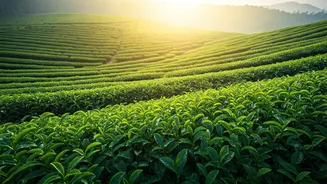
Journey back to the dawn of India's commercial tea cultivation with Chabua Tea Estate, established in 1837 in Assam. Often cited as the nation's very first
tea garden, Chabua holds a pivotal place in tea history. Its very name, meaning 'tea water,' speaks to its profound connection with the art of tea making. This estate was instrumental in laying the groundwork for the vast tea industry that flourishes today. Even after its permanent closure, its reputation for producing a robust, deeply flavored, and richly colored Assam tea remains a benchmark for quality and character in the world of tea.
Dibrugarh's Artisanal Charm
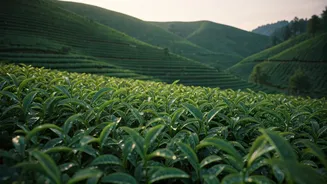
Nestled in the verdant tea district of Dibrugarh, Manohari Tea Estate, founded in the late 19th century, stands as a testament to refined tea craftsmanship. This estate has carved a niche for itself by producing exquisite orthodox teas that are celebrated for their superior quality. Manohari masterfully balances its rich historical roots with a forward-thinking approach, incorporating modern techniques to create small-batch artisanal teas. This dedication to preserving tradition while embracing innovation has solidified its esteemed position among discerning tea enthusiasts and connoisseurs worldwide.
Darjeeling's Champagne Hills
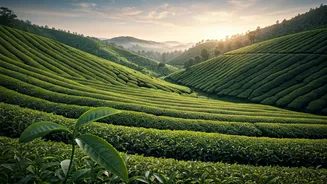
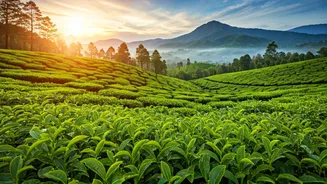
Perched elegantly in the breathtaking Himalayan foothills, Happy Valley Tea Estate is a jewel in Darjeeling's crown, tracing its origins back to 1854. As one of the oldest and most iconic tea gardens in the region, it is globally renowned for cultivating the exquisite Darjeeling tea, often poetically referred to as the 'champagne of teas.' Beyond its exceptional tea production, Happy Valley is also a significant draw for tourists, offering visitors an immersive experience into the intricate processes of traditional tea making and the serene beauty of its surroundings.
Nilgiris' Biodiversity Haven
Representing the expansion of tea cultivation into Southern India, Singampatti Tea Estate, established in the mid-19th century, thrives amidst the lush, biodiverse landscapes of the Nilgiris. This estate is celebrated for its unique Nilgiri teas, which possess a distinctively smooth and aromatic profile, setting them apart from their northern counterparts. The tranquil environment and rich ecological tapestry of the Nilgiris contribute significantly to the special character and quality of the teas produced here, showcasing the diverse terroirs of India's tea-growing regions.
Nilgiris' Fragrant Legacy
Another significant landmark from the British colonial era, Dunsandle Tea Estate, emerged as one of the earliest tea plantations in the Nilgiris during the 19th century. This estate profoundly benefits from the distinctive microclimate of the Nilgiri hills, which imparts a special character to its tea. The resulting produce is known for its delightful fragrance and a light, brisk taste that invigorates the senses. Dunsandle's enduring presence underscores the successful proliferation of tea cultivation, demonstrating its reach and viability far beyond the traditional northeastern tea belts.