





What Causes the Freeze?
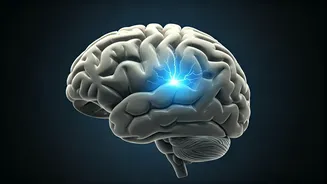
Brain freeze, scientifically termed sphenopalatine ganglioneuralgia, is a peculiar but well-understood physiological response. It originates in the roof
of your mouth, specifically the palate, when it's exposed to extreme cold. This sudden chilling triggers a rapid constriction of the blood vessels in that area, a protective measure by the body to conserve heat. Almost immediately after this constriction, these vessels dramatically dilate, or widen, as they attempt to restore normal blood flow and temperature. This swift and dramatic fluctuation in blood vessel size is what the body interprets as pain, a signal that it's working hard to maintain its core temperature, especially when the brain is involved.
The Referred Pain Phenomenon
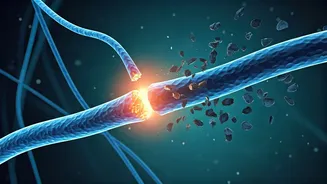
The intense pain associated with brain freeze is often felt in the forehead, not directly in the mouth where the cold stimulus was applied. This sensation is a classic example of 'referred pain.' It occurs because the trigeminal nerve, a major nerve responsible for facial sensation, is involved. This nerve has branches that extend across the face and forehead. When the nerves in the palate are stimulated by the rapid temperature change, the pain signals are relayed through the trigeminal nerve to the brain. Since the brain isn't perfectly precise in pinpointing the exact origin of the signal from the palate, it misinterprets the sensation as originating from the forehead, mimicking the feeling of a short, sharp headache.
Migraine Link Uncovered
Research suggests a fascinating connection between brain freeze susceptibility and migraines. Individuals who frequently experience migraines might be more prone to brain freeze. This heightened sensitivity is thought to stem from the fact that both conditions involve the trigeminal nerve. Migraines are known to be associated with an overactive trigeminal nerve pathway. When this nerve is already sensitive, it can react more intensely to the temperature fluctuations caused by cold consumption, leading to a more pronounced and possibly quicker onset of brain freeze pain compared to those without a migraine history.
Duration and Prevention Tips
The good news about brain freeze is its transient nature; it typically lasts only for a brief 30 to 60 seconds and is ultimately harmless. It’s simply a sign that your body's thermoregulation system is functioning. To sidestep this unpleasant sensation, the most effective strategy is to consume cold foods and drinks slowly. By taking smaller sips or bites, you allow your palate more time to adjust to the cold, preventing the drastic temperature shock. If brain freeze strikes, a quick remedy is to warm the roof of your mouth. Gently pressing your tongue against your palate or taking a sip of a warm beverage can effectively interrupt the pain signals.