


A World Afloat
Imagine a national park where the very ground beneath your feet gently shifts. Keibul Lamjao National Park in Manipur, India, offers precisely this surreal
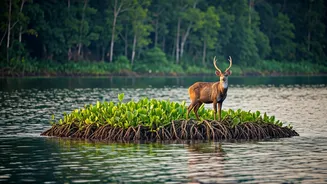
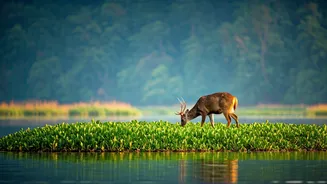
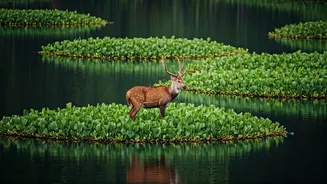
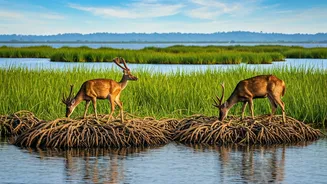
experience. Situated on the vast expanse of Loktak Lake, Northeast India's largest freshwater body, this park covers an impressive 40 square kilometers. Its extraordinary nature stems from its foundation: 'phumdis,' which are dense, naturally formed mats of vegetation. These buoyant platforms are not static; they drift and move with the changing seasons, creating a dynamic and unique landscape. The sensation of walking on this gently swaying terrain, combined with the crisp air and the symphony of bird calls, creates an environment that feels truly magical and otherworldly. It's a place that encourages quiet contemplation and deep appreciation for nature's ingenuity.
Encountering the Sangai
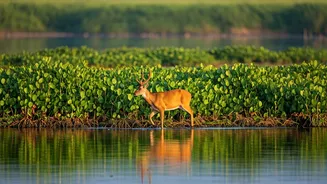
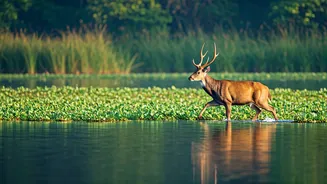
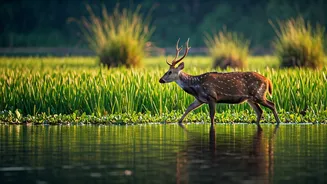
The undisputed jewel of Keibul Lamjao is the Sangai, often referred to as the "dancing deer." This critically endangered species, found exclusively in this floating paradise, moves with an ethereal grace across the phumdis. Its delicate steps, perfectly adapted to the buoyant terrain, are a mesmerizing sight. Witnessing a Sangai in its natural habitat is a profoundly rare and special event, imbued with a sense of wonder and privilege. The Sangai holds immense cultural significance for the people of Manipur, further enhancing the magic of encountering these elusive creatures. Every glimpse of the Sangai is a reminder of the importance of conserving such unique biodiversity and the delicate ecosystems that support them.
Biodiversity and Lake Life
While the Sangai is the main attraction, Keibul Lamjao teems with other life, ensuring constant fascination for visitors. The park is a haven for over 100 species of birds, their calls and movements adding to the rich natural tapestry. Even if the elusive Sangai remains hidden, the diverse avian population, along with the unique flora and fauna of the floating islands, provides ample opportunities for observation and photography. The surrounding Loktak Lake itself contributes to the park's vibrant ecosystem, supporting a rich array of aquatic life. This interconnectedness of land, water, and wildlife creates a self-sustaining environment that is both beautiful and ecologically vital.
Planning Your Visit
To fully immerse yourself in the Keibul Lamjao experience, morning visits are highly recommended. As the early mist dissipates, the park comes alive with increased wildlife activity, offering the best chances for sightings. Engaging local guides is crucial, as they possess invaluable knowledge about the stability of the phumdis, ensuring a safe and enjoyable exploration. While there are no accommodations within the park itself, visitors can find comfortable stays in nearby areas. The local cuisine, deeply influenced by the fertile land and the abundant lake, provides a delicious culinary extension of the natural experience. The ideal period to visit is between November and March, when the weather is pleasant with clear skies and calm waters, conducive to wildlife spotting. It's advisable to avoid the monsoon season due to potential water level fluctuations and unpredictable conditions.