






New Study Launched
In a significant stride to address a growing public health concern, oncologists at the All India Institute of Medical Sciences (AIIMS) have initiated a pioneering
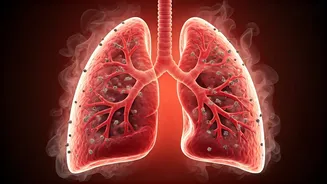
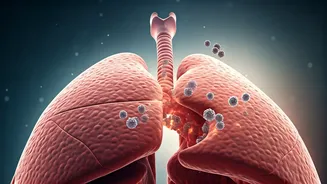
research project. This comprehensive study, christened AIRCARE (Air Pollution and Cancer Research Ecosystem), is dedicated to thoroughly examining the intricate relationship between ambient air pollution and the prevalence of lung cancer within the Delhi-National Capital Region (NCR). The initiative stems from the urgent need for concrete, India-centric scientific evidence that elucidates how sustained exposure to fine particulate matter, specifically PM2.5, might be a significant contributor to the development of this disease. This endeavor comes at a critical juncture, as numerous Indian urban centers are persistently listed among the world's most polluted, creating a dire environmental and health crisis. The project is spearheaded by Dr. Abhishek Shankar, an Assistant Professor of Radiation Oncology at AIIMS, who leads a diverse team of medical professionals and researchers focused on bridging existing knowledge gaps concerning air pollution's health implications.
Pollution as Health Risk
Dr. Abhishek Shankar emphasizes that air pollution has transcended its classification as merely an environmental concern, now recognized as a substantial health hazard. He underscores the critical necessity for robust data originating from India to accurately comprehend its role in the etiology of diseases like lung cancer. This perspective is bolstered by the alarming trend observed by medical professionals: a noticeable surge in lung cancer diagnoses, particularly among individuals who have never smoked. This demographic shift, affecting both women and younger age groups, strongly suggests that environmental factors, most notably air pollution, are playing a pivotal role in these cases. The AIRCARE study is designed to meticulously document and analyze these connections, moving beyond assumptions to establish evidence-based understanding of how our environment directly impacts respiratory health and cancer risk within the Indian context. The research intends to provide definitive answers to questions that have long been a cause for concern among both the medical community and the public.
Study Design Details
The AIRCARE project has an ambitious enrollment target of 1,615 lung cancer patients across the Delhi-NCR region. To ensure a precise comparison, an equal number of control participants will be selected from the family members of these patients. This strategic choice of family members as controls is intended to minimize confounding variables by ensuring similar residential environments and, by extension, comparable levels of environmental exposure. Dr. Shankar articulated that by carefully matching individuals diagnosed with lung cancer to their household counterparts, the research team aims to isolate and more accurately quantify the specific impact of air pollution exposure. The study employs a dual approach, incorporating both cohort and case-control methodologies to comprehensively assess long-term exposure patterns to PM2.5 across various demographic strata and socio-economic backgrounds. Beyond clinical data, the research will also delve into the influence of genetic predispositions, seeking to identify specific genetic markers within the Indian population that might predispose individuals to developing cancer from pollution exposure.
Future Screening Model
A significant anticipated outcome of the AIRCARE initiative is the development of a novel risk-based screening model, meticulously tailored to suit the unique conditions prevalent in India. The overarching objective is to construct a comprehensive screening framework that effectively integrates both clinical indicators and molecular markers. This integrated approach is designed to facilitate the early identification of individuals who are at a heightened risk of developing lung cancer. Currently, lung cancer holds the position of the second most prevalent cancer among men in India and ranks as the fourth most common cancer overall. Experts in the field are vocal about the potential for this disease burden to escalate unless targeted policy interventions and enhanced screening strategies are put into place. The findings that emerge from this study are expected to exert a substantial influence on the formulation of public health policies, the refinement of screening protocols, and the implementation of effective preventive measures across India, ultimately aiming to curb the rising tide of lung cancer.