





Community Fuel Solution
In Ekauni village, nestled in Uttar Pradesh's Chandauli district, a community-driven biogas initiative has become an indispensable resource for approximately
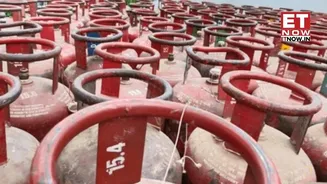
125 out of its nearly 150 households. This ingenious system, established in 2022, has effectively insulated these families from the widespread disruptions in Liquefied Petroleum Gas (LPG) supplies that have plagued many parts of India. The ongoing geopolitical tensions, particularly involving Israel, the US, and Iran, have significantly impacted global energy markets, leading to unpredictable LPG availability and escalating prices. Residents of Ekauni, however, have largely bypassed these challenges, relying on a consistent biogas supply delivered for three hours in the morning and three hours in the evening. This consistent provision ensures that their daily cooking needs are met without the anxiety of shortages or the need to join lengthy queues for cylinders, a common predicament faced by many elsewhere in the country. The foresight in adopting this renewable energy source has clearly demonstrated its value, especially during times of national energy uncertainty, offering a tangible example of sustainable self-sufficiency.
Visionary Initiative's Impact
The genesis of this remarkable biogas system lies with Chandra Prakash Singh, a local resident whose vision transformed the village's energy landscape. In 2022, Singh took the initiative to construct a biogas plant and extend connections to the village households. At the time of its inception, the long-term impact of this project, especially in mitigating national fuel crises, was not fully anticipated by either Singh or the villagers. However, the current LPG shortage has underscored the profound benefits of their decision. Homemaker Kanchan Singh shared that what was once considered a standard utility has now become a critical lifeline, allowing families to manage their cooking schedules with greater ease, despite needing to plan around supply hours. The relief from facing shortages and the associated stress of obtaining LPG cylinders has been immense. Furthermore, she highlighted that with the rising costs of alternative cooking methods like induction cooktops, biogas has emerged as a more economically viable and practical option for everyday use.
Affordability and Convenience
Akhilesh Singh, another resident of Ekauni, emphasized the unwavering continuity of cooking for his family, thanks to the accessible biogas facility, even amidst the prevailing LPG crisis. He pointed out that the cost-effectiveness of biogas is a significant advantage, being nearly half the price of LPG, which makes a substantial difference in household budgets. Beyond the financial savings, the sheer convenience of having a readily available fuel source without the prolonged waiting times typically associated with LPG cylinder procurement has been a major boon. He noted that without this local biogas solution, villagers would undoubtedly be experiencing the same frustrations and difficulties as countless others across the nation, struggling with supply chain issues and the uncertainty of fuel availability for their essential daily needs. The biogas plant has thus become a cornerstone of domestic stability in the village.
From Cow Dung to Fuel
Chandra Prakash Singh's dedication to sustainable practices is rooted in his family background and his educational pursuits. After completing his BTech, he opted against a traditional career path to assist his father in managing their 'gaushala' (cow shelter). Over the past decade, their efforts have seen the number of cows grow from an initial fifty to approximately two hundred. This expansion, while beneficial for animal husbandry, also presented a significant waste management challenge. Singh observed that nearly 3,000 kg of cow dung was being generated daily, much of which was going to waste. Recognizing the potential of this abundant organic material, he proposed the establishment of a biogas plant. With the collective support and participation of the villagers, the plant was successfully constructed, transforming a substantial waste stream into a valuable and sustainable energy resource, powering their homes and providing them with energy security.