



Introducing Vande Bharat
India's railway system is on the cusp of a significant upgrade with the arrival of the Vande Bharat Sleeper train. This new train represents a leap forward
in terms of both speed and passenger comfort, aiming to provide a superior travel experience. Equipped with 16 coaches, the Vande Bharat Sleeper is designed to cater to the needs of long-distance travelers. It’s built to reach speeds of up to 180 km/hr, which will considerably reduce travel times compared to existing trains. This advancement will be particularly beneficial for routes where speed is a key priority, making it easier and faster for people to travel across the country. The design emphasizes comfort and modern amenities, promising to make the journey as enjoyable as possible for passengers, and marking a new era of travel within India.
Enhanced Comfort Features
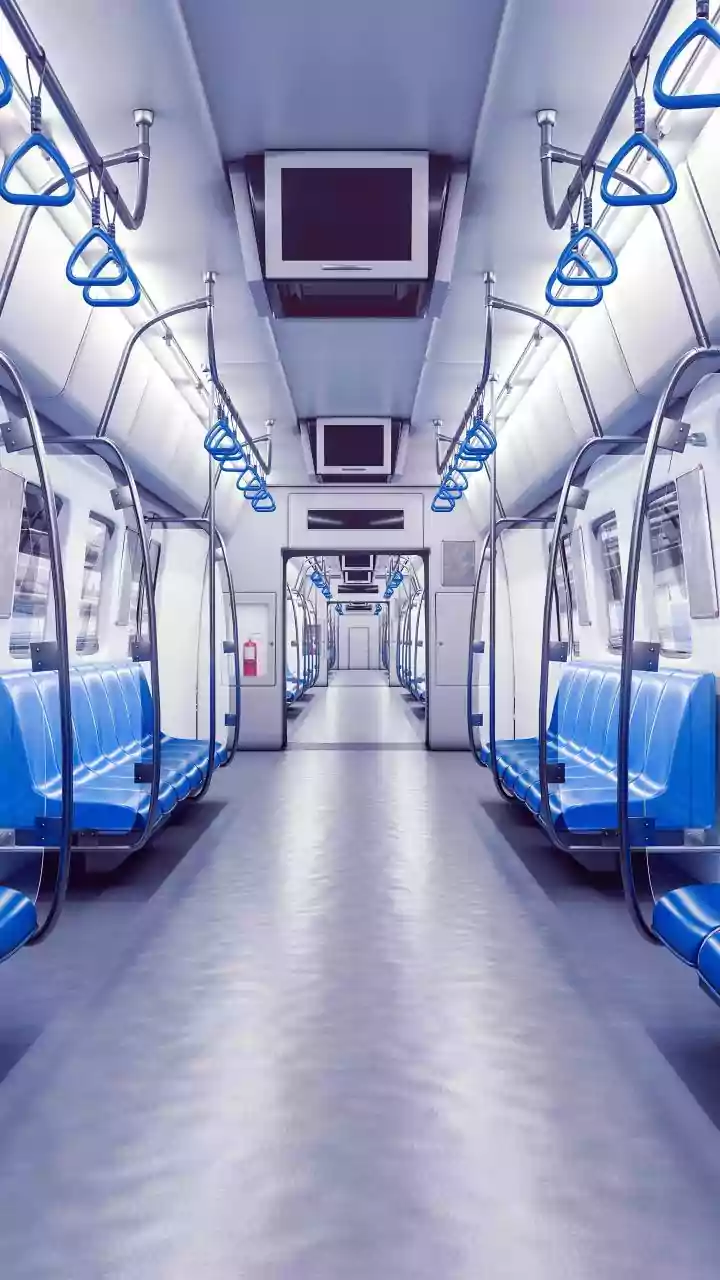
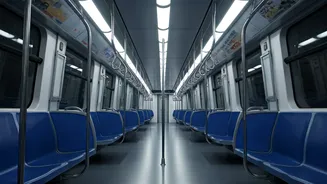
The Vande Bharat Sleeper train is not just about speed; it's also about enhancing the overall passenger experience. The train's design focuses on providing increased comfort and improved amenities. Details about specific features have not been extensively publicized. However, it's widely expected that the new train will incorporate advancements that ensure passengers have a comfortable journey. With a focus on passenger satisfaction, the Vande Bharat Sleeper is expected to include improved seating arrangements, better sleeping accommodations, and enhanced onboard facilities. The aim is to create an environment where travelers can relax, work, or rest comfortably throughout their journey, offering a notable upgrade over current long-distance train options. The train's design considerations indicate a commitment to making travel more pleasant and convenient for all passengers.
Operational Route Plans
Although the exact routes for the Vande Bharat Sleeper train are not specified in the current details, the strategic deployment will be a key factor in maximizing the impact. The focus is to connect major cities and high-traffic corridors, providing an efficient mode of transport for passengers. The selection of routes will likely prioritize those with the highest demand and potential for time savings. Given the train's capability of reaching speeds up to 180 km/hr, it will be ideally suited for routes where speed and efficiency are of utmost importance. As the Indian Railways continues to expand and modernize its network, it is expected that the Vande Bharat Sleeper train will play a central role in transforming the travel landscape. This deployment strategy is expected to make long-distance travel across India faster, more convenient, and more comfortable for passengers.
Impact on Travel
The introduction of the Vande Bharat Sleeper train is poised to have a broad impact on the landscape of rail travel in India. The integration of high-speed, comfortable trains into the existing network will set a new standard for passenger expectations, enhancing the overall experience. Reduced travel times and improved amenities are likely to make rail travel a more attractive option for both business and leisure travelers. The modernization effort reflects the government's commitment to upgrading India’s infrastructure and providing a better experience for citizens. This new train will encourage people to choose rail transport, thus relieving pressure on other modes of transport and reducing congestion. The ripple effects of this change will likely be felt throughout the transportation sector, changing the way people move across the nation.
Future Developments
The launch of the Vande Bharat Sleeper train represents just one aspect of the ongoing modernization efforts within the Indian Railways. Further developments are anticipated, including more advanced rolling stock, route expansions, and infrastructure upgrades. With the focus on improving connectivity and passenger experience, the railway network is set to undergo continuous advancements. Future plans involve enhancing efficiency, safety, and comfort to meet the evolving requirements of travelers. These efforts highlight the commitment to investing in the future of railway travel, ensuring that it remains a vital and competitive mode of transport for years to come. The goal is to build a railway system that is not only effective but also aligned with global standards of travel.