







Pollution's Silent Grip
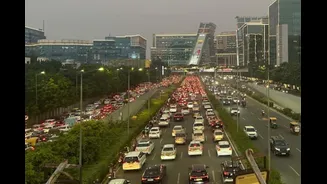
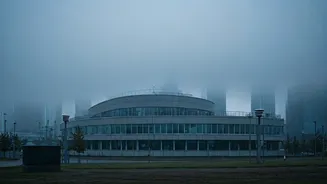
Delhi currently finds itself in the chokehold of severe air quality, accompanied by thick fog that blankets the city. This poses a significant health risk
to the populace, exacerbating respiratory ailments and other health issues. The persistent fog intensifies the impact of the pollution, limiting visibility and contributing to travel disruptions. This combination of factors has created a harsh environment, demanding immediate attention from authorities. The situation puts the spotlight on the need for immediate and efficient methods to mitigate the detrimental effects of polluted air and improve living conditions for residents.
Session's Missed Opportunity
The recent Winter Session of the legislative body offered an essential platform for discussing the city's severe pollution problem. However, the session concluded without any serious deliberations on this critical environmental issue. This failure to address the matter is concerning, as the timing of the session coincided with the period when pollution levels typically spike. The absence of a dedicated discussion implies a delay in enacting crucial initiatives and strategies to improve air quality. It’s essential for the administration to give environmental safety the importance it deserves and make it a key discussion point in such sessions.
Consequences of Neglect
The neglect of pollution-related discussions during the legislative session could have long-lasting effects. The absence of specific measures and policies increases the likelihood of prolonged exposure to harmful pollutants. The population of Delhi, already vulnerable due to environmental challenges, could face amplified health issues. Delaying discussions on such a critical topic prevents the development of effective, data-driven solutions. Addressing the challenges posed by Delhi's air quality is paramount for safeguarding public health and improving the overall well-being of the city's inhabitants. This situation emphasizes the requirement for immediate action and preventive measures.
Looking Ahead: Solutions
The city’s persistent pollution necessitates a multi-faceted strategy. This should include strict enforcement of pollution control measures, as well as the implementation of cleaner energy sources. Promoting public transport and encouraging the use of electric vehicles are equally important. Creating public awareness on the hazardous effects of pollution and emphasizing individual responsibility in mitigating air pollution is also important. A proactive and collaborative approach is required, involving the government, stakeholders, and residents, to formulate and execute effective strategies to combat the issue and improve the air quality of Delhi.