



AC vs. No AC
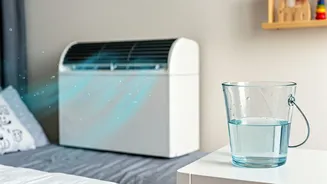
Navigating extreme heat often brings up the question of air conditioning. While AC provides immediate relief by actively cooling the air, it's not always
a feasible or sustainable option for everyone. For those without AC, or when considering energy conservation, focusing on passive cooling methods becomes crucial. This involves strategies like maximizing natural ventilation during cooler parts of the day, using fans strategically to create airflow, and minimizing heat-generating activities indoors. Understanding the environmental and economic impacts of AC use can also guide decisions, prompting a search for alternatives that still offer significant comfort. Ultimately, the choice between AC and no AC depends on individual circumstances, budget, and a commitment to various cooling techniques.
Sleep Sweetly, Stay Cool
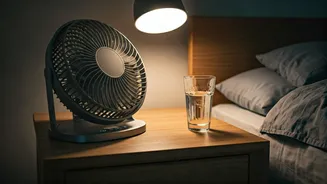
Achieving restful sleep during a heatwave can feel like an insurmountable challenge, but several straightforward techniques can make a significant difference. Keeping your bedroom as cool as possible is paramount; this might involve pre-cooling the room before bed if you have AC, or ensuring it's well-ventilated and shaded during the day. Lightweight, breathable bedding made from natural fibers like cotton or linen is essential for comfort, wicking away moisture and allowing for better air circulation. Consider a cooling pillow or mattress topper for added relief. Staying hydrated by drinking plenty of water throughout the day, but avoiding heavy meals or alcohol close to bedtime, can also help regulate body temperature. Taking a cool shower or bath before sleeping can also lower your core body temperature, promoting faster and deeper sleep. Creating a comfortable sleep environment is key to surviving oppressive heat.
Beyond the Bedroom
Extending cooling strategies beyond the bedroom is vital for overall heatwave survival. During the day, wear loose-fitting, light-colored clothing made from breathable fabrics to allow your skin to breathe and prevent overheating. Staying hydrated is non-negotiable; sip water consistently, even if you don't feel thirsty. Avoid sugary drinks and excessive caffeine, which can lead to dehydration. Seek out cooler environments whenever possible, whether it's spending time in shaded areas outdoors, visiting air-conditioned public spaces like libraries or malls, or taking cool showers throughout the day. Be mindful of your activity levels; strenuous exercise should be postponed or done during the cooler early morning or late evening hours. Recognize the signs of heat-related illnesses, such as dizziness, nausea, or fatigue, and take immediate steps to cool down and rehydrate if you experience them.